



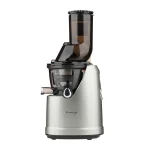






WHOLE SLOW JUICER
Whole fruit in, cold-pressed juice out
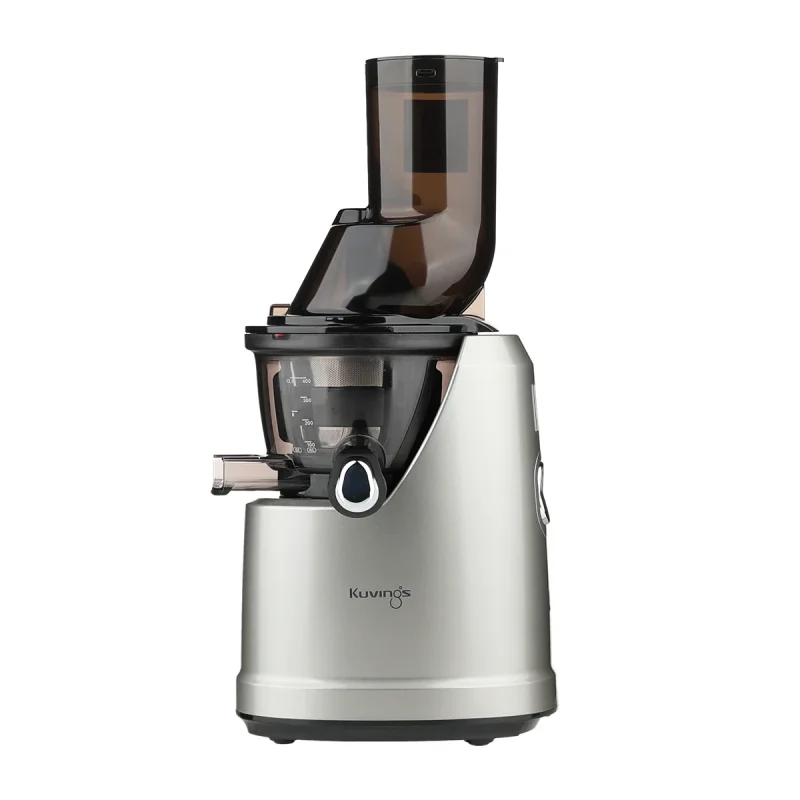
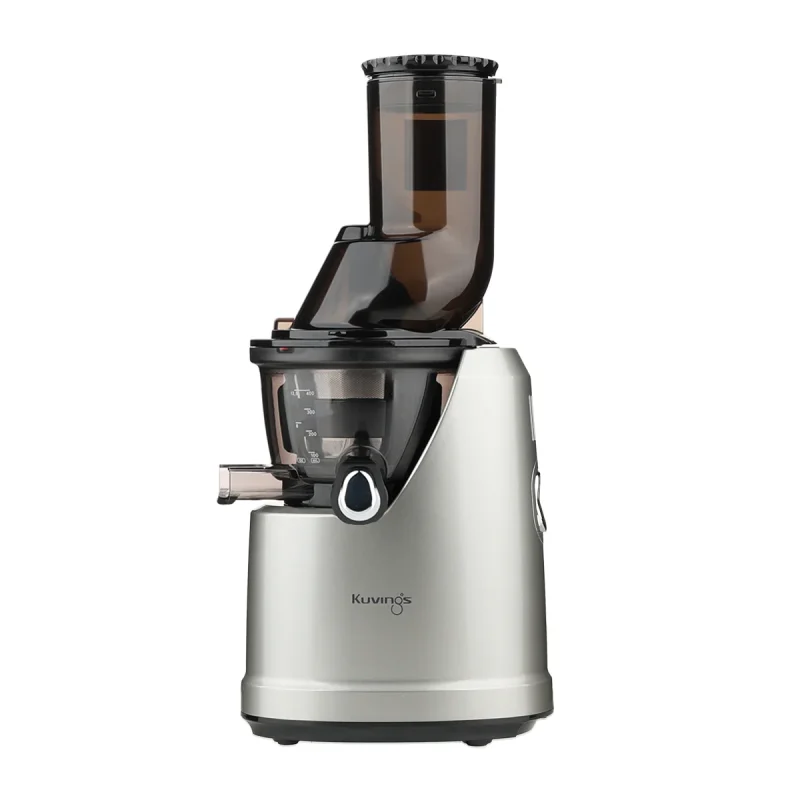
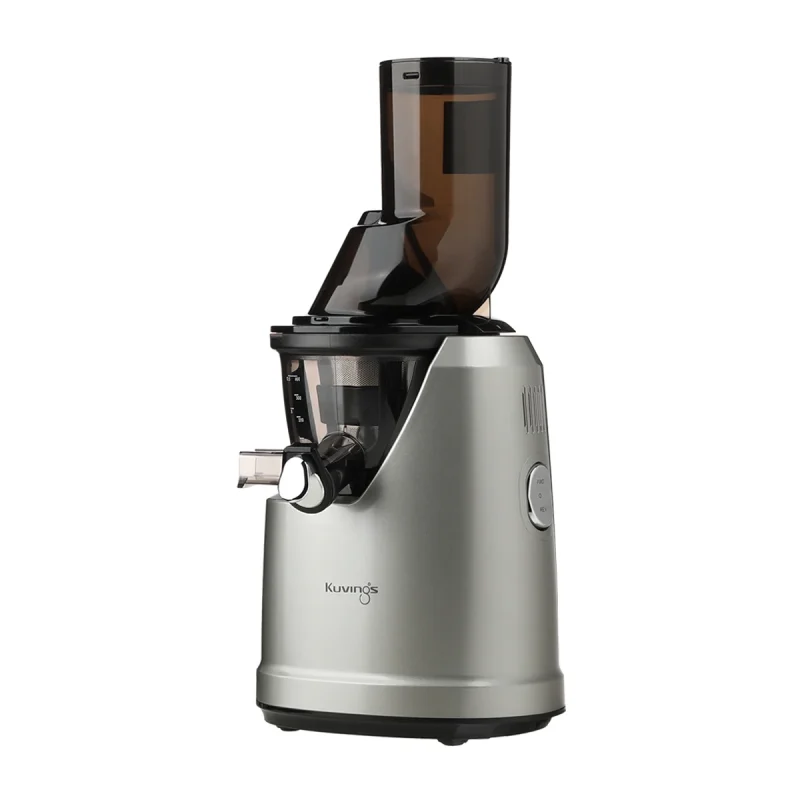
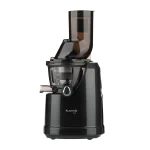
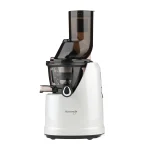
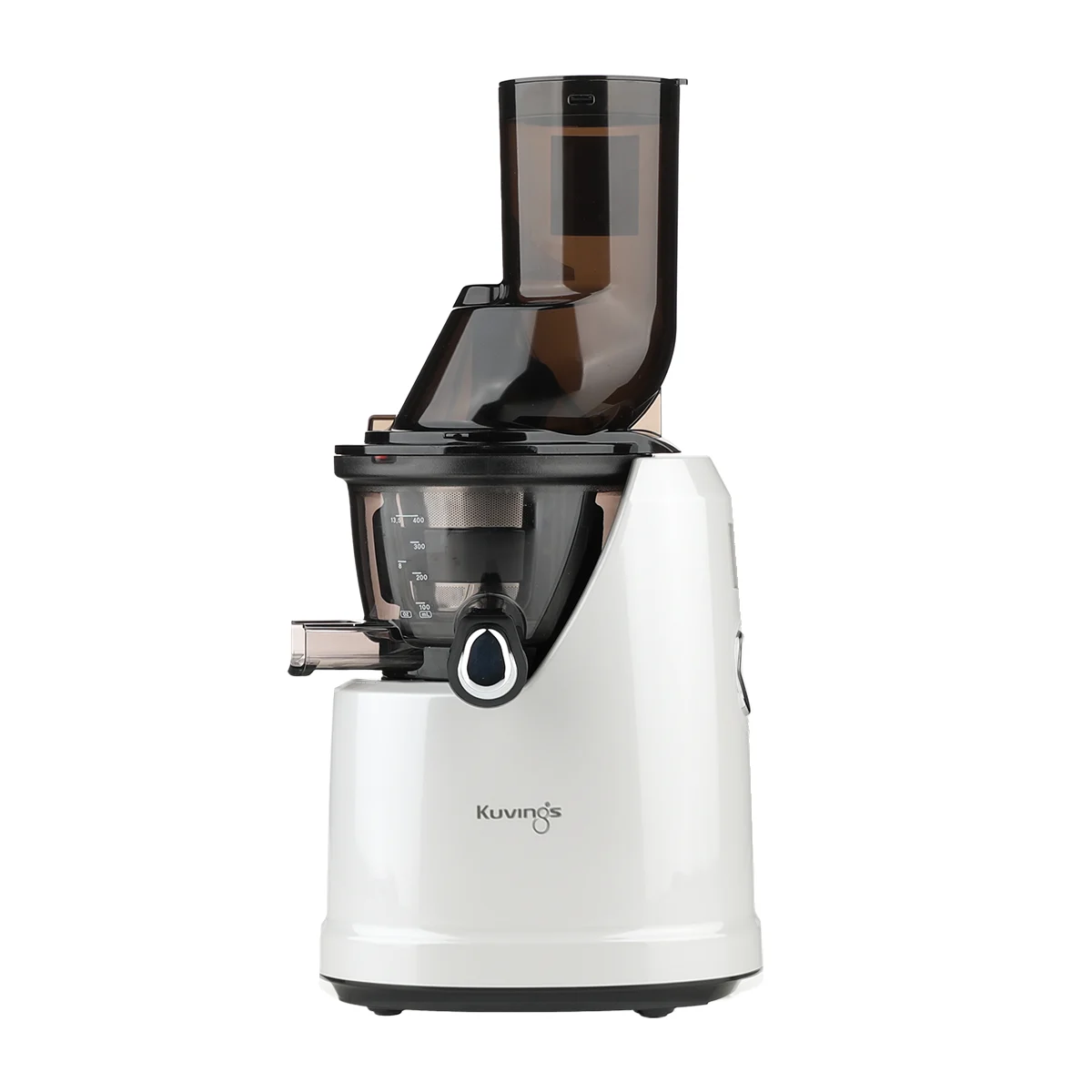
The Kuvings C1700 is a vertical slow juicer with a 76 mm feed chute, wide enough to take a small apple or a peeled orange whole. A single auger turns at 60 RPM and presses the produce against a strainer. Juice runs out of the spout with very little froth, and the pulp leaves through its own outlet.
It replaces the B1700, the machine Kuvings calls the original whole slow juicer and one EcoHub has stocked for years. The body, the motor rating and the bowl are the same size. The change you can see is a chrome-finished smart cap on the juice spout. Kuvings has not published a fuller list of what changed, so we will not invent one.
You feed this juicer by hand, a piece at a time. That suits people who make a glass or two and like to change the recipe as they go. If you would rather load a hopper and walk away, the comparison further down covers the machines that do that.
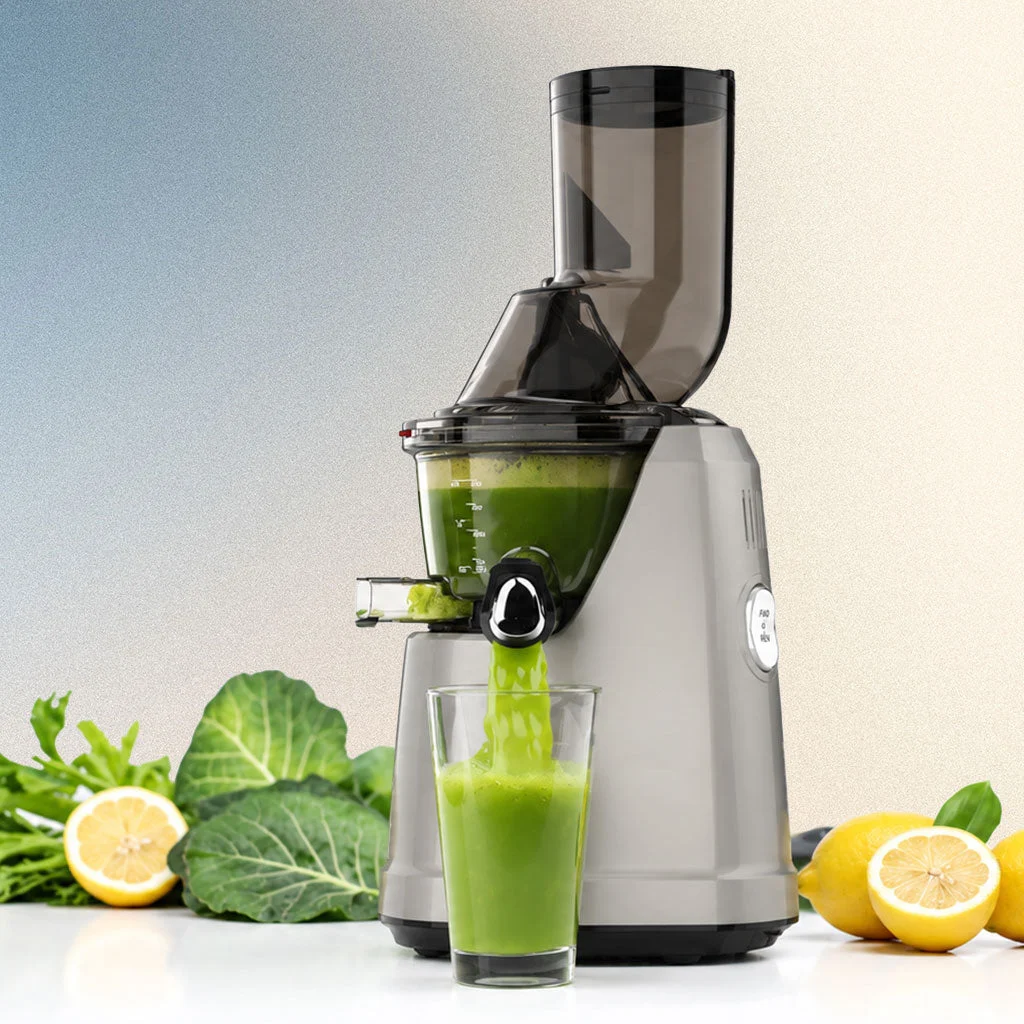
Built for the person who wants one good glass of juice every morning, without a cutting board full of prep.
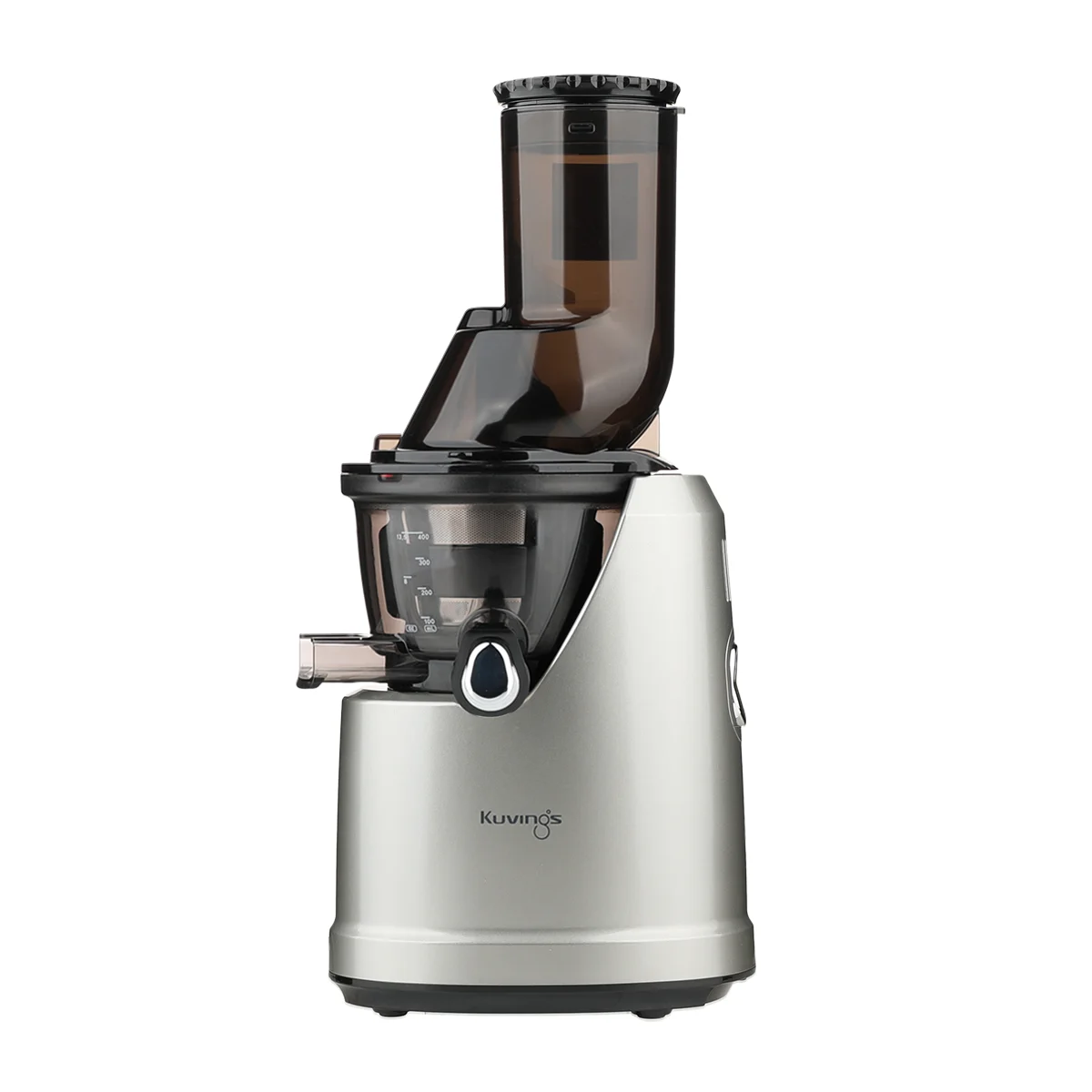
THE 76 MM CHUTE
Less time at the cutting board
Most slow juicers ask you to cut everything into strips before you start. The C1700’s chute is 76 mm across, so small apples, peeled oranges, beetroot and tomatoes go in whole, and larger fruit only needs halving.
Whole does not mean everything. Take the stones out of peaches and mangoes, peel citrus, and cut celery and other stringy stems into short lengths so the fibres do not wrap round the auger.
A pusher is included for leaves and light ingredients that will not drop on their own.
WHAT IT MAKES
Made for everyday fruit and vegetable juice
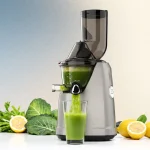
Vertical slow juicers do their best work on firm, juicy produce: apple, carrot, orange, pineapple, beetroot, cucumber and pear. That is the juice most households make, and it is where the C1700 is at home.
Greens, celery and ginger work when they are mixed in with fruit and cut short. If your juice is mostly celery, wheatgrass or kale, a horizontal juicer such as the Sana 727 or Sana 707 is the better tool, because a horizontal auger presses leaves instead of letting them wrap.
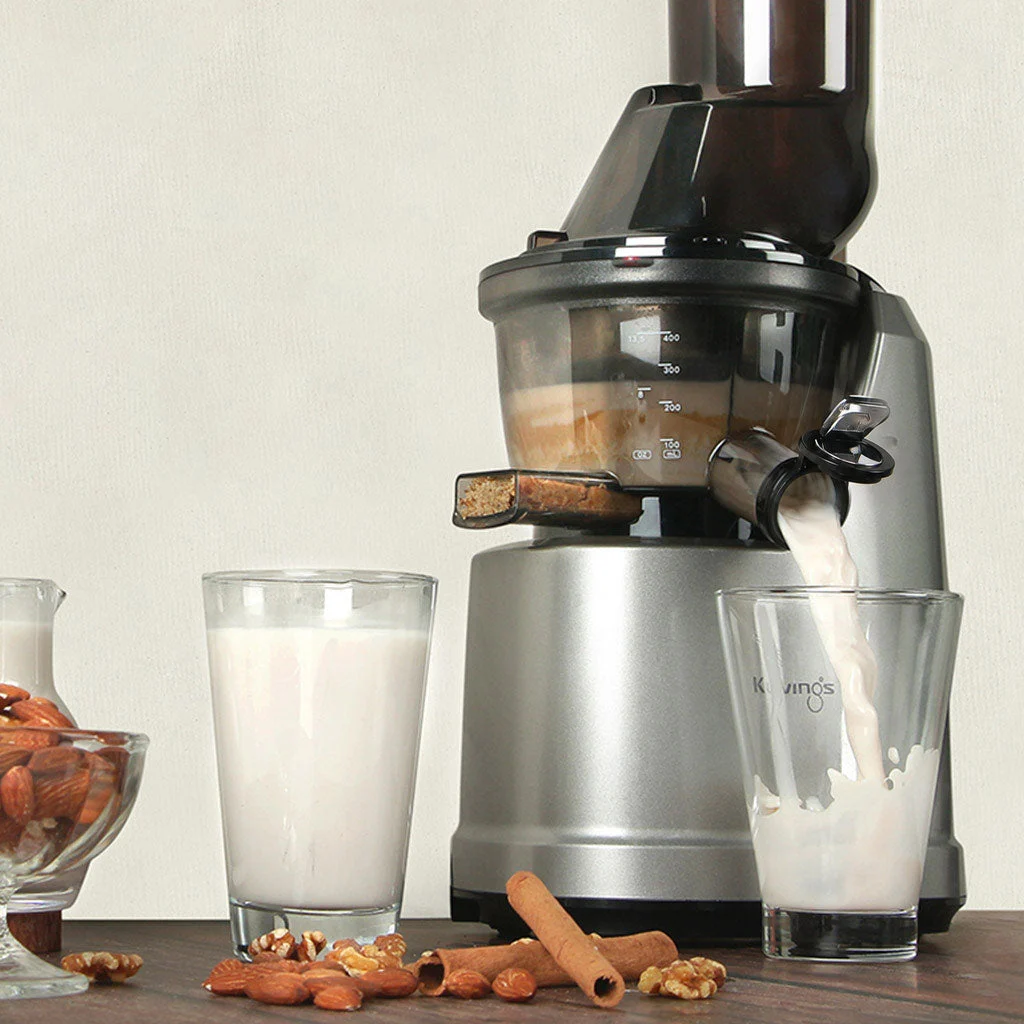
Close the smart cap and the 400 ml bowl holds the juice while two or three ingredients mix, so a carrot, apple and ginger juice pours as one drink. Kuvings also lists plant-based milks among its uses.
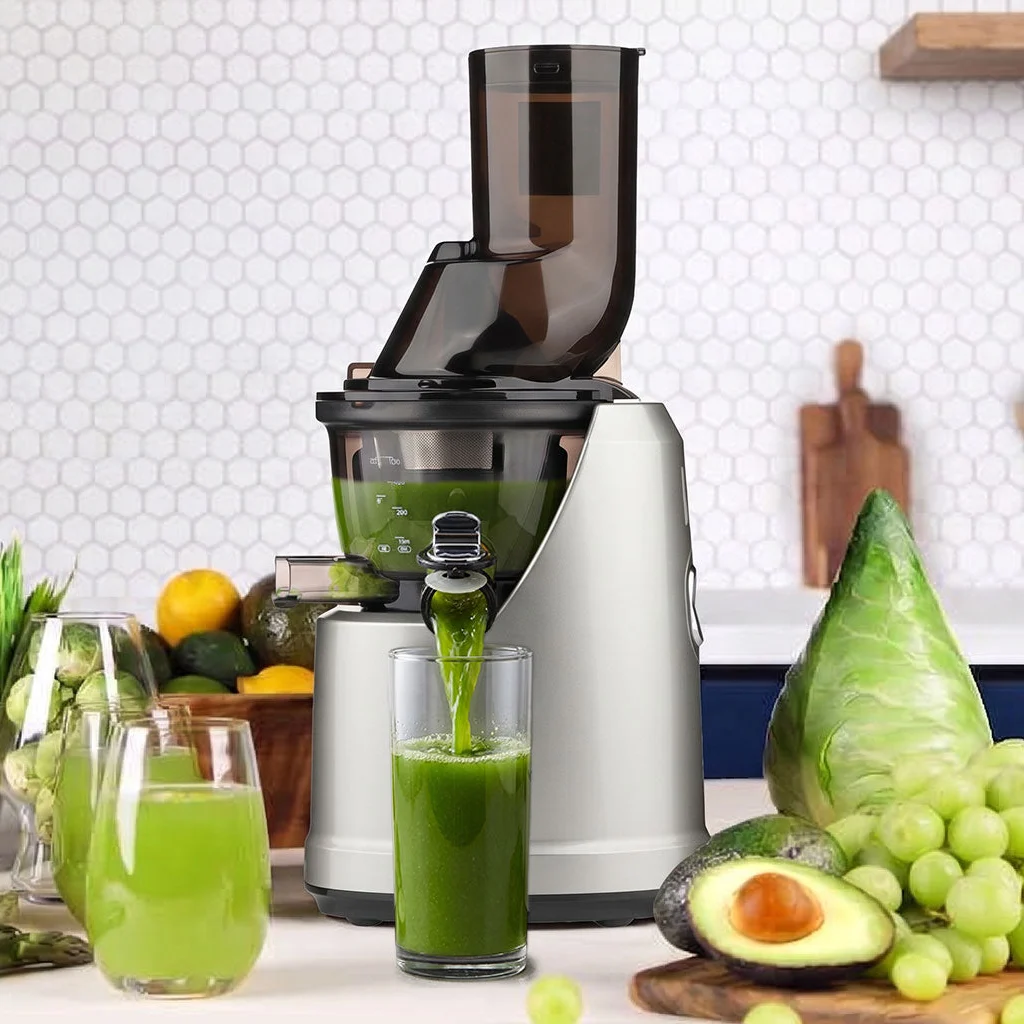
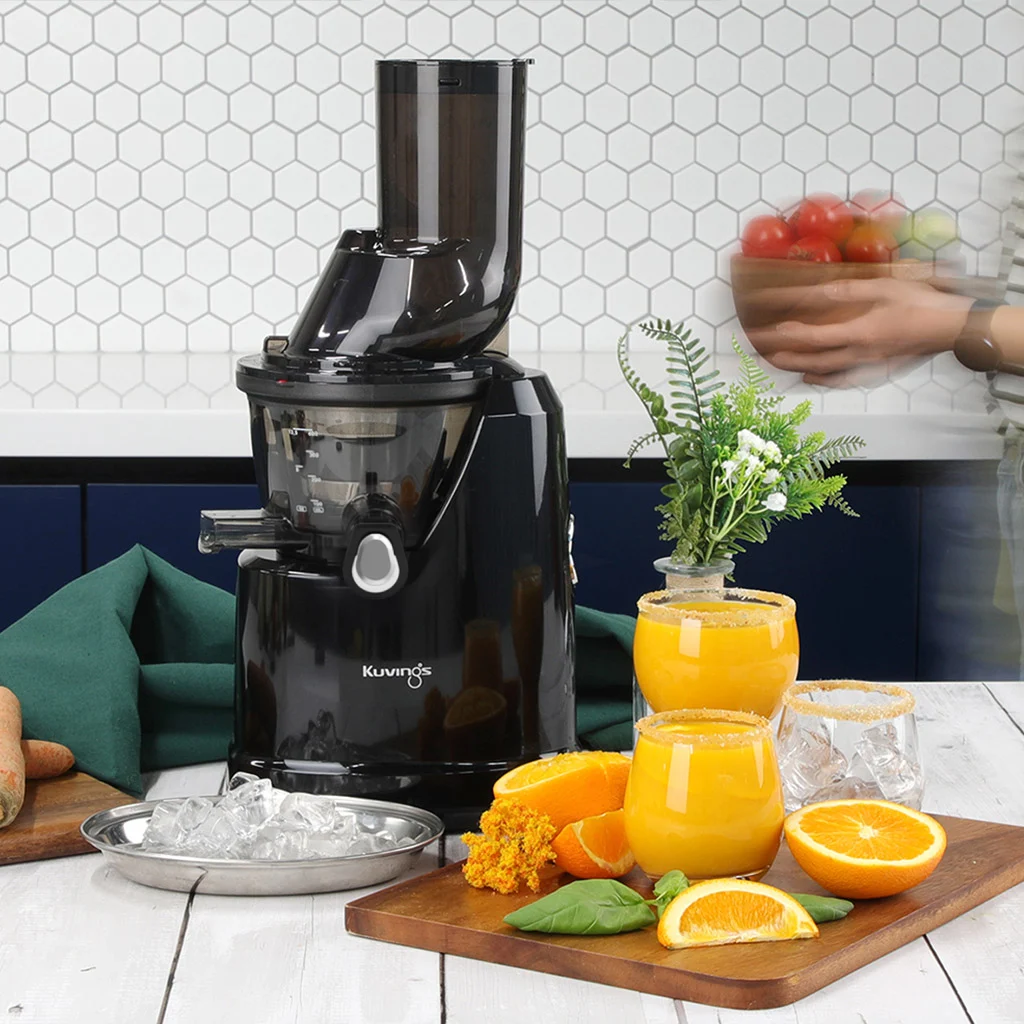
COLD PRESS AT 60 RPM
Pressed slowly, not shredded
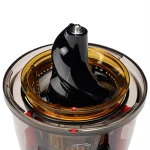
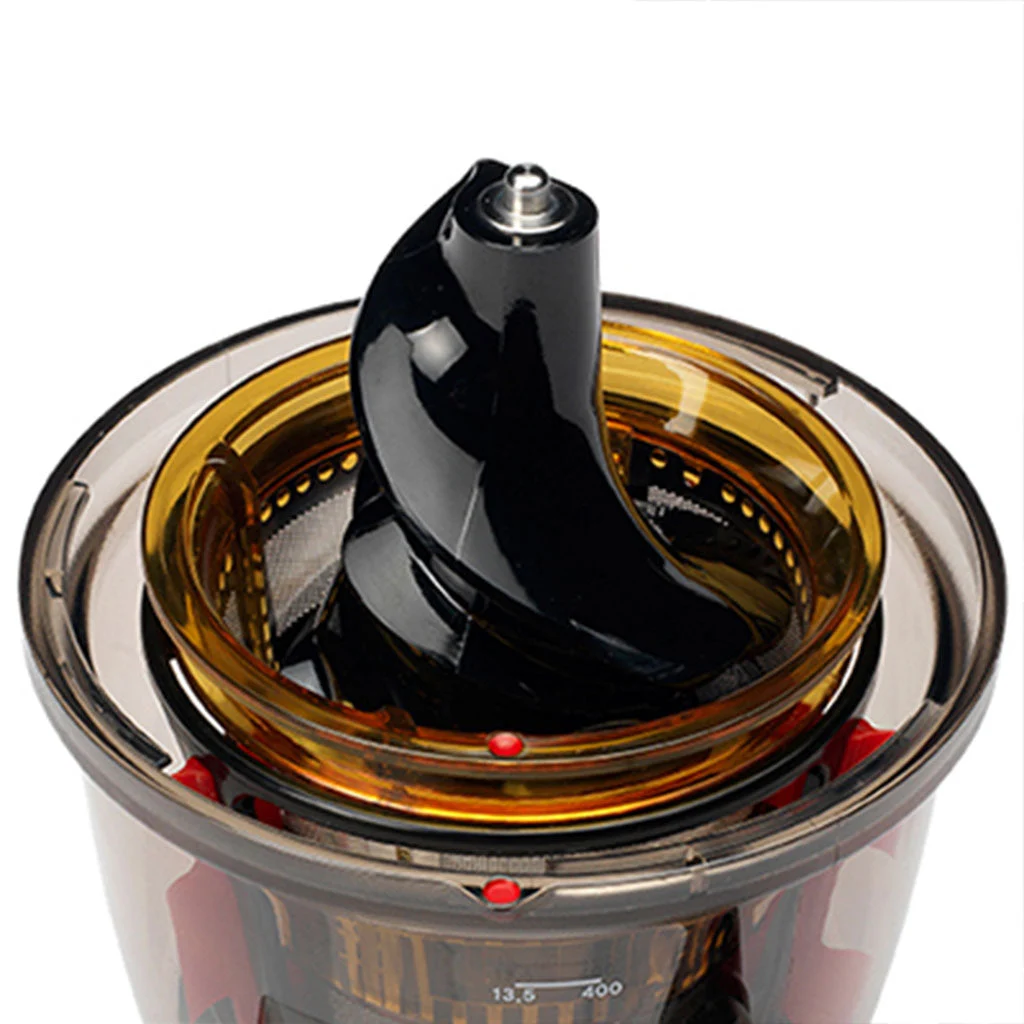
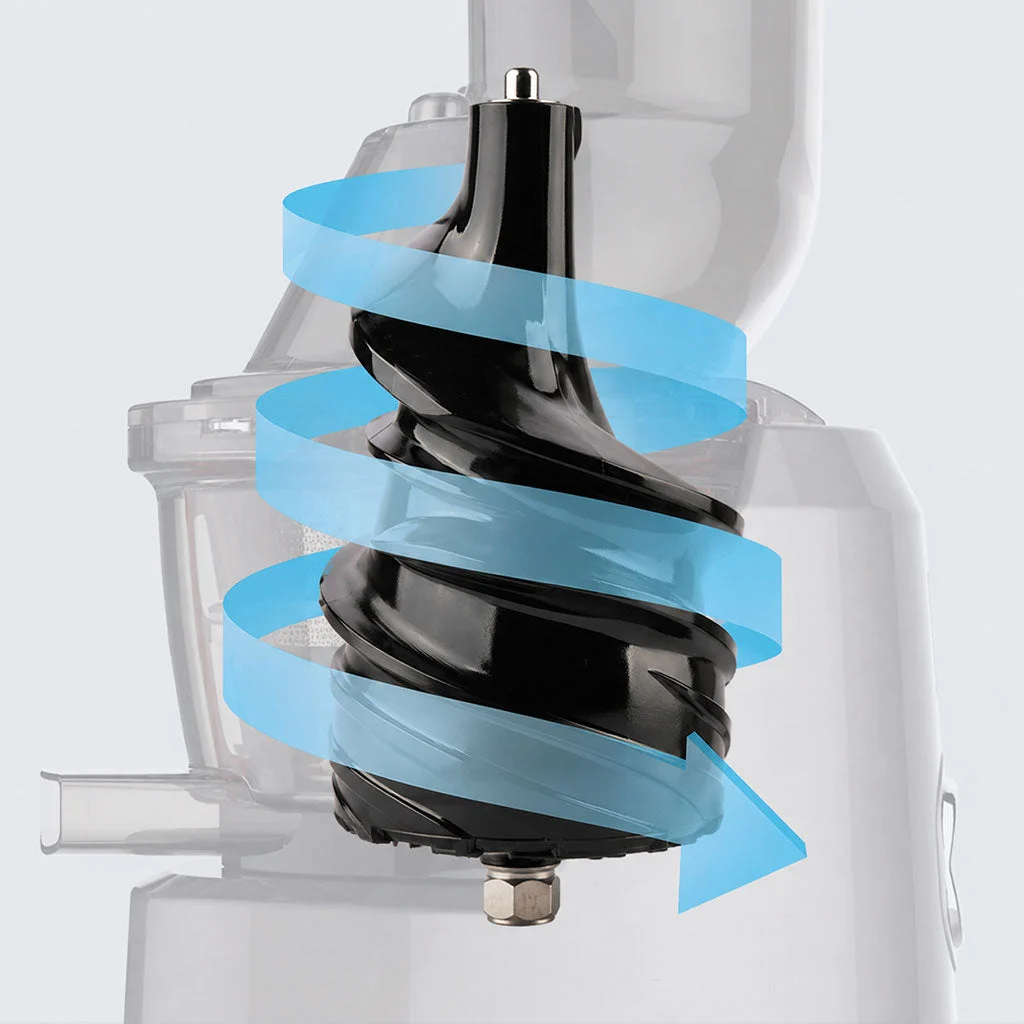
The auger turns at 60 revolutions per minute and crushes produce against the strainer, where a centrifugal juicer cuts it with a fast-spinning blade. Slow pressing makes less heat and less froth, and the juice is smoother for it.
The motor is rated at 240 W, with cooling vents in the base. Kuvings rates the C1700 for under 30 minutes of continuous use, so after a long session switch it off and let the motor rest before the next batch.
Kuvings describes the juicer as quiet but does not publish a decibel figure, and we would rather say so than repeat a number we cannot verify.
THE CHROME SMART CAP
A spout that closes
The smart cap is a small part that does three jobs. Closed, it stops the spout dripping on the counter when you lift the cup away. It holds juice in the bowl so ingredients blend before you pour. And between recipes you can close it, pour water through the chute, and flush the bowl without taking the juicer apart.
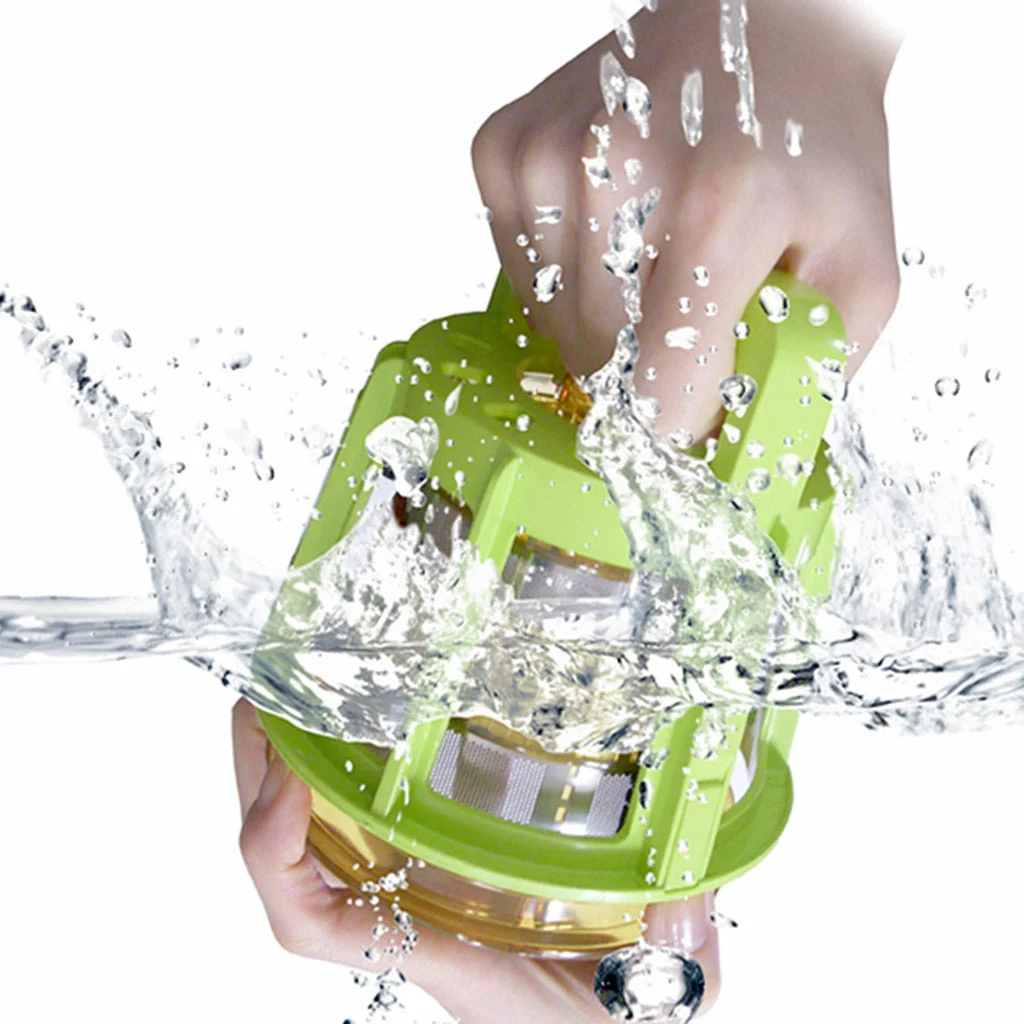
Cleaning is easiest straight after juicing, before pulp dries on the strainer. The C1700 comes with a rotating brush that fits round the strainer and scrubs the mesh in a few turns under the tap, plus a small brush for the auger and pulp outlet.
Wash the juicing parts by hand. The motor base only needs a wipe with a damp cloth and must never go in water.
MADE FOR SOUTH AFRICAN POWER
The South African model, with a local warranty
Our C1700s come from Kuvings South Africa, built for 220–240 V mains and fitted with a South African plug. Juicers brought in to order from overseas marketplaces are often 110–120 V machines, which need a step-down transformer and have no claim on the local warranty.
Kuvings South Africa covers the motor for ten years and the juicing parts for two. Register the juicer with Kuvings South Africa and the parts cover is extended to five years at no charge.
If anything goes wrong, contact EcoHub. We log the claim with Kuvings South Africa and follow it through until it is resolved.
C1700 specifications
| Juicing system | Vertical single auger, cold press |
| Feed chute | 76 mm, with pusher |
| Juicing bowl | 400 ml, with chrome smart cap |
| Continuous use | Under 30 minutes, then rest |
| Cooling | Heat vents in the motor base |
| In the box | Motor base, juicing bowl with smart cap, lid with 76 mm chute, auger, juicing strainer, pusher, juice cup, pulp cup, rotating cleaning brush, cleaning brush and manual |
How the C1700 sits against the alternatives
The closest alternative at this level is the Sana 818, which we import ourselves. The difference is how you feed it. The C1700 takes one piece at a time down the chute. The 818 has a 1 600 ml hopper with cutting blades, so you load the recipe, switch on and get on with something else. It also presses slower, at 50 RPM against 60, weighs 5.5 kg against the C1700’s 6.7 kg, and is built for Sana by Hurom. Because EcoHub is the Sana importer, parts and warranty are handled by us directly. For most households making a daily juice, the 818 is the one we would point to first. Choose the C1700 if you prefer feeding by hand and adjusting the recipe as you go, or if Kuvings’ ten-year motor warranty matters to you.
Within Kuvings, the AUTO7 is the hands-free machine, with a 1.7-litre hopper on a 200 W motor. The REVO830 keeps hand feeding but adds a second, narrow chute for whole carrots and celery. The AUTO10 has a 3-litre hopper for a family batch in one load.
For juice built mainly on greens, celery, wheatgrass and ginger, look at the horizontal Sana 727 or the simpler Sana 707.
Questions we are asked about the C1700
The C1700 replaces the B1700. Kuvings lists the same 76 mm chute, 240 W motor, 60 RPM speed, 400 ml bowl, size and weight for both. The visible change is the chrome-finished smart cap. Kuvings calls the C1700 an upgraded model but has not published a detailed list of changes.
Small apples, peeled oranges, beetroot and tomatoes fit the 76 mm chute whole. Halve larger fruit, remove hard stones, and cut celery and other long, fibrous stems into short lengths.
Choose the Sana 818 if you want to load the juicer and leave it: its 1 600 ml hopper cuts and feeds the produce for you, it presses at 50 RPM, and EcoHub is the Sana importer, so parts and warranty are handled by us directly. Choose the C1700 if you prefer to feed by hand and change the recipe as you go, or want the ten-year Kuvings motor warranty.
Kuvings rates it for under 30 minutes of continuous use. After that, switch it off and let the motor rest.
Rinse it straight after juicing. Lift off the lid and bowl, run the rotating brush round the strainer under the tap, and use the small brush on the auger and pulp outlet. Wipe the motor base with a damp cloth.
The C1700 stands 45 cm tall on a footprint of 22.9 by 21 cm. Check the gap under your wall cabinets, and allow room above the chute for feeding, or slide the juicer forward when you use it.
Kuvings South Africa covers the motor for 10 years and the juicing parts for 2 years. Register the juicer with Kuvings South Africa and the parts cover is extended to 5 years at no charge. If you need to claim, contact EcoHub. We log the claim with Kuvings South Africa and follow it up until it is resolved.
Why Buy From EcoHub
Backed by a local warranty
Every appliance we sell is supported here in South Africa, with after-sales help and spare parts held locally.
Made for South African power
Some premium machines sold here are 110 V US models, with the voltage in the fine print. Ours are 220–240 V South African models with SA plugs, so no transformer is needed.
Fast nationwide delivery
Delivered across South Africa in 1-3 days, with same-day dispatch on cleared payments ordered before 14:00.
Authorised dealer
Expert advice from a specialist store that has been helping South Africans choose blenders and juicers since 2012.




Reviews
There are no reviews yet