Inverters
Shop solar and hybrid inverters in South Africa for home backup, load shedding, solar self-consumption and off-grid power systems. EcoHub supplies inverter solutions from leading brands including Huawei, Sunsynk, Deye and Luxpower, with options ranging from compact 5kW systems through to larger 12kW, 16kW and three-phase installations.
Not sure what size you need? 5kW is a popular starting point for home backup, while larger 8kW, 12kW and 16kW systems provide more capacity for heavier household loads and homes moving towards greater energy independence.

Showing 1–18 of 21 resultsSorted by popularity
-
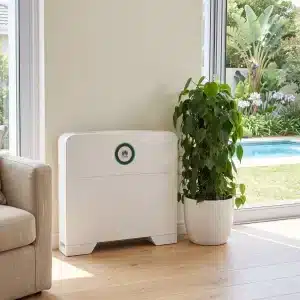
One battery, 2.5 kW output, expands to 15 kWh
Original price was: R59 999.R37 999Current price is: R37 999. incl VATAdd to cart -
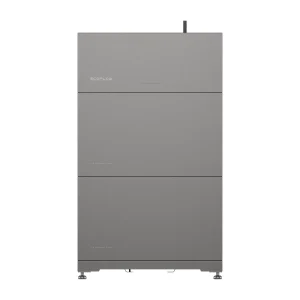
Two batteries, full 5 kW output, waist-high tower
Original price was: R103 999.R57 999Current price is: R57 999. incl VATAdd to cart -
Three batteries in one 1.48 m tower, 5 kW output
Original price was: R119 999.R77 999Current price is: R77 999. incl VATAdd to cart -
Adds 5 kWh to any Power-M, up to three per tower
Original price was: R25 999.R21 899Current price is: R21 899. incl VATAdd to cart -
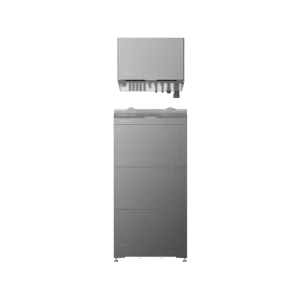
Two parallel 10kWh units, double the output
Original price was: R207 998.R112 999Current price is: R112 999. incl VATAdd to cart -
Two parallel 15kWh towers, for large homes and offices
Original price was: R240 000.R151 999Current price is: R151 999. incl VATAdd to cart -







Showing 1–18 of 21 resultsSorted by popularity
Solar & Hybrid Inverters for Home Backup and Solar Power
The inverter is at the centre of a modern solar, battery backup or off-grid power system. It manages the flow of electricity between your solar panels, lithium batteries, household loads and the electricity grid, depending on how the system has been configured.
EcoHub supplies a growing range of hybrid solar inverters from brands including Huawei, Sunsynk, Deye and Luxpower. Our range covers smaller residential backup systems as well as larger installations designed to power substantially more of the home.
What Size Inverter Do I Need?
Inverter size is normally expressed in kilowatts (kW), which indicates how much electrical load the inverter can supply at one time. Battery capacity is measured separately in kilowatt-hours (kWh) and determines how long those loads can continue operating from stored energy.
For many South African homes, a 5kW inverter is a practical starting point. A properly designed 5kW system can comfortably keep essential circuits running during an outage, including lighting, WiFi and fibre equipment, televisions, computers, refrigeration and other normal household electronics.
If you want the backup system to handle substantially more of the house, it often makes sense to move to an 8kW inverter or larger. This provides more capacity for higher-demand appliances such as geysers, electric cooking appliances, washing machines, tumble dryers and other larger loads, subject to the electrical design and how many appliances are operated simultaneously.
For larger homes or properties moving towards off-grid or near off-grid operation, 12kW and 16kW inverter systems provide considerably more flexibility. These systems can be paired with larger solar arrays and lithium battery banks so that more household energy can be generated and stored on site.
5kW Inverters – A Popular Home Backup Starting Point
A 5kW hybrid inverter is one of the most common sizes for residential backup systems. It offers enough output for a useful selection of household circuits without requiring the scale of a large whole-home installation.
A 5kW inverter can also form the basis of a solar self-consumption system. During the day, solar energy can supply household loads and charge the battery, with stored energy then available in the evening or during grid outages.
The amount of backup time available depends primarily on the battery capacity and the loads being powered. For example, a 5kW inverter can be combined with approximately 5kWh, 10kWh or 15kWh of battery storage depending on the required runtime and system design.
8kW Inverters for Larger Household Loads
An 8kW inverter is often a better choice when the objective is to back up a larger portion of the home rather than only essential circuits.
The additional inverter capacity makes it easier to accommodate higher-demand appliances and allows the system designer more flexibility when allocating circuits. An 8kW system can also support a larger solar array and battery installation than many entry-level systems, depending on the particular inverter model.
12kW & 16kW Inverters for Large Homes and Off-Grid Systems
Homes with high electricity consumption, large solar arrays or no reliable grid connection may require a 12kW or 16kW inverter. These larger systems are particularly relevant when designing a property to operate substantially from solar and battery power.
Moving towards off-grid operation normally requires more than simply installing a larger inverter. The solar array, battery capacity, peak household demand and expected daily energy consumption all need to be considered together.
Large lithium battery banks can be paired with these systems to provide substantial overnight storage, while appropriately sized solar arrays replenish the batteries and supply daytime consumption.
Hybrid Inverters
A hybrid inverter combines solar PV, battery storage and grid power management within the same system. This makes hybrid inverters particularly well suited to South African homes where the objective may include several different goals:
- Backup power during electricity outages
- Reducing electricity purchased from the grid
- Using solar power directly during the day
- Charging lithium batteries from solar
- Using stored solar energy at night
- Providing backup when the grid fails
- Moving towards greater energy independence
Depending on the inverter and system configuration, the grid can remain available as a backup source while solar and battery power are prioritised whenever possible.
Huawei, Sunsynk, Deye & Luxpower Inverters
There is no single inverter platform that is best for every installation. EcoHub offers several established inverter technologies so that systems can be matched to the property, required power output, battery capacity and budget.
Sunsynk and Deye hybrid inverters are popular choices for conventional modular solar installations because they can be combined with compatible lithium batteries and solar arrays in a wide range of system sizes.
Huawei Power-M systems provide a more integrated approach, combining the inverter and modular battery system into a clean, compact installation. The Power-M range is also exceptionally quiet in operation, which can be a significant advantage when the equipment is installed inside or close to living areas.
Luxpower offers additional hybrid inverter and battery system options, including configurations suited to residential backup and larger installations.
Inverter Power vs Battery Capacity
It is important not to confuse inverter size with battery size.
A 5kW inverter does not mean the system has 5kWh of storage. The inverter’s kW rating determines approximately how much power can be delivered at once, while the battery’s kWh rating determines how much stored energy is available.
For example, a home could have a 5kW inverter with 15kWh of battery storage. The inverter would still supply up to its designed output, but the larger battery bank could keep supported loads operating for considerably longer than a smaller 5kWh battery.
Likewise, a 12kW or 16kW inverter intended for a large home will normally be paired with considerably more battery capacity where extended backup or off-grid operation is required.
Solar Inverters for Load Shedding and Electricity Savings
A battery inverter system does not have to be used only for outages. When solar panels are added, the same system can help reduce everyday electricity consumption from the grid.
Solar power can supply the house during daylight hours, charge the batteries and reduce the amount of electricity purchased from the utility. Stored energy can then be used later in the day according to the system settings and available battery capacity.
This means a correctly designed solar inverter and lithium battery system can provide both backup power and ongoing electricity savings.
Need Help Choosing an Inverter?
Choosing between a 5kW, 8kW, 10kW, 12kW or 16kW inverter should be based on the appliances you want to power, their combined peak demand, your solar requirements and the amount of battery storage you plan to install.
EcoHub can help you compare inverter and battery combinations for anything from essential home backup through to larger solar and off-grid systems.