All-in-One Power Systems
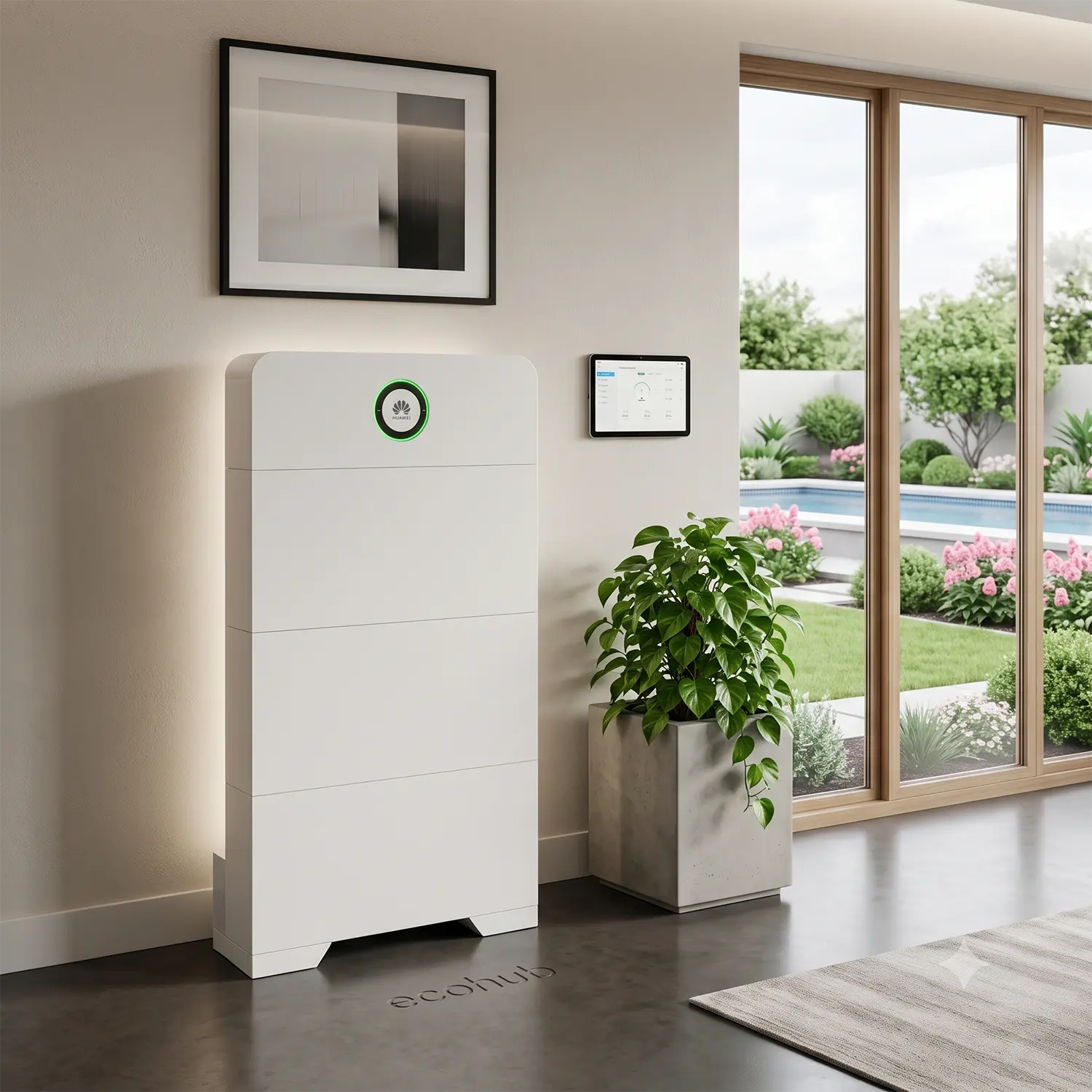
All-in-One Power Systems combine a hybrid inverter and modular battery storage in a clean, integrated installation. Choose from essential-backup systems through to high-capacity configurations designed to keep much more of your home or business running when grid power is unavailable.
Install one for reliable backup power, or add solar panels to reduce electricity costs and reliance on the grid. EcoHub specialises in Huawei Power-M and EcoFlow PowerOcean, with multiple inverter and battery configurations available.
Showing all 13 resultsSorted by popularity
-
One battery, 2.5 kW output, expands to 15 kWh
Original price was: R59 999.R37 999Current price is: R37 999. incl VATAdd to cart -
Two batteries, full 5 kW output, waist-high tower
Original price was: R103 999.R57 999Current price is: R57 999. incl VATAdd to cart -
Three batteries in one 1.48 m tower, 5 kW output
Original price was: R119 999.R77 999Current price is: R77 999. incl VATAdd to cart -
Adds 5 kWh to any Power-M, up to three per tower
Original price was: R25 999.R21 899Current price is: R21 899. incl VATAdd to cart -
Two parallel 10kWh units, double the output
Original price was: R207 998.R112 999Current price is: R112 999. incl VATAdd to cart -
Two parallel 15kWh towers, for large homes and offices
Original price was: R240 000.R151 999Current price is: R151 999. incl VATAdd to cart


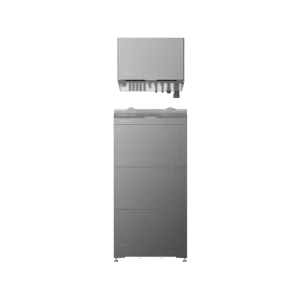


Showing all 13 resultsSorted by popularity
All-in-One Backup Power & Solar Systems
An all-in-one power system combines a hybrid inverter, battery storage and system controls into a coordinated energy solution. Although the system may contain several modular battery units, the completed installation presents as a clean, integrated system rather than a traditional setup with a separate wall-mounted inverter and standalone batteries.
For homeowners, the advantages go beyond appearance. Systems such as Huawei Power-M and EcoFlow PowerOcean are designed for very quiet operation, making them particularly attractive where the inverter and batteries need to be installed close to living areas, a home office or other occupied spaces.
These systems can be installed purely for backup power, or combined with solar panels to create a complete hybrid solar and battery system that can also reduce the amount of electricity you purchase from the grid.
Backup Power Without Solar Panels
You do not need solar panels to install an all-in-one power system. A hybrid inverter and battery system can operate as a battery backup solution, charging from the electricity grid and automatically supplying supported circuits when grid power is unavailable.
For South African homes and businesses, this provides protection against power outages, load shedding, load reduction and other interruptions to the electricity supply. Solar panels can be installed at the same time or added later if you also want to generate your own electricity and reduce reliance on increasingly expensive grid power.
This makes an integrated hybrid system particularly flexible: it can solve an immediate backup-power requirement without requiring a complete solar installation from day one.
Choose How Much of Your Home You Want to Keep Running
All-in-one systems are available in different inverter and battery configurations, allowing the installation to be matched to the level of backup you actually want.
A smaller battery configuration can be suitable for essential backup such as lights, Wi-Fi or fibre, televisions, computers, security systems and other relatively low-power equipment. Increasing the battery capacity provides substantially more stored energy, allowing supported household loads to keep running for longer.
With battery prices becoming more competitive, many customers now choose larger 10kWh or 15kWh configurations from the outset rather than limiting the system to the minimum amount of storage required for essential loads. A larger battery can make an outage considerably less disruptive and can also become more useful when solar is added.
Inverter capacity and battery capacity perform different jobs. Inverter capacity, measured in kW, determines how much electrical load the system can supply at one time. Battery capacity, measured in kWh, determines how much stored energy is available and therefore has a major influence on how long those loads can operate.
For example, a 5kW inverter with 15kWh of battery storage has substantially more stored energy than the same 5kW inverter paired with 5kWh of storage. The maximum inverter output remains 5kW, but there is considerably more energy available for extended backup.
From Essential Backup to High-Capacity Home Power
EcoHub offers configurations ranging from compact essential-backup systems through to high-capacity residential installations.
Huawei Power-M, for example, is available in 5kW configurations with 5kWh, 10kWh or 15kWh of battery storage. Compatible Power-M systems can also be installed in parallel, allowing larger configurations such as 10kW with 20kWh or 30kWh of battery storage.
A parallel system increases both inverter capacity and available stored energy. This is important for larger homes and customers who want to support heavier simultaneous loads rather than simply extending the runtime of a 5kW system.
The most useful question is therefore not simply, “How many batteries do I need?” It is: how much of my home do I want to keep running, and for how long?
Some households primarily want lighting, internet, television and essential electronics to remain operational. Others want refrigeration, home-office equipment and a much larger portion of the house to continue operating normally. Larger configurations can be designed for customers who want the transition to battery power to cause as little disruption as possible.
Add Solar to Reduce Electricity Costs
Backup power is an important reason South African households invest in battery systems, but rising electricity costs make solar generation increasingly compelling as well.
Once solar panels are connected, the hybrid inverter can use solar electricity to supply the property and charge the batteries. Stored solar energy can then be used later in the afternoon or evening, helping to reduce the amount of electricity purchased from the grid.
An all-in-one system can therefore start as a home battery backup system and later become the foundation of a broader home solar energy system. Alternatively, solar can be installed from the beginning so that the system provides both power security and ongoing electricity savings.
This flexibility is one of the major advantages of a hybrid system: you can prioritise backup power, electricity savings, or a combination of both.
A Cleaner, Quieter Alternative to Traditional Installations
One of the most noticeable differences between an integrated power system and many conventional solar or backup installations is the way the finished installation looks and sounds.
A traditional installation may use a separate wall-mounted inverter, one or more standalone batteries and visible interconnecting equipment. Some conventional inverters also rely on active cooling fans, which can become noticeable under certain loads and operating conditions.
Systems such as Huawei Power-M and EcoFlow PowerOcean take a more integrated approach. The inverter and battery storage are designed as part of the same system, resulting in a much neater, more appliance-like finished installation. Both platforms are also designed for very quiet operation.
This can be a significant practical advantage when the system cannot simply be hidden away in a remote plant room or garage. A clean, low-noise power system is far easier to accommodate near a home office, passage, utility area or other part of the home where the equipment may be seen or heard.
Huawei Power-M
Huawei Power-M is one of EcoHub’s core all-in-one power solutions and is available in a wide range of battery configurations. Its integrated design combines a Huawei hybrid inverter with modular lithium battery storage in a compact, appliance-like system.
One of the Power-M’s most noticeable real-world advantages is how exceptionally quiet it is in normal everyday operation. EcoHub has first-hand experience using Power-M in a residential environment, where its low operating noise makes a substantial difference compared with power equipment that relies on noticeable cooling fans.
This is especially valuable when the system is installed inside the home or close to a living area or home office. Combined with its clean appearance, Power-M is particularly well suited to customers who want a backup and solar system that does not look or sound like traditional electrical equipment.
The modular battery design allows Power-M to be configured with different amounts of storage. Current options include 5kWh, 10kWh and 15kWh battery configurations with a 5kW inverter, while compatible systems can be paralleled where greater inverter output and battery capacity are required.
For customers wanting substantially greater backup capability, parallel Power-M configurations can provide up to 10kW of inverter capacity with 30kWh of battery storage, while retaining the clean integrated appearance of the Power-M platform.
EcoHub works with experienced installers in major South African cities who have collectively completed hundreds of Huawei Power-M installations. This practical experience is valuable when correctly sizing the inverter, battery capacity, backup circuits and optional solar array for a particular property.
EcoFlow PowerOcean – From Portable Power to Whole-Home Backup
EcoFlow PowerOcean extends the EcoFlow ecosystem from portable power into permanently installed home backup and solar energy. It combines a hybrid inverter with expandable battery storage and integrates with the home’s electrical system to provide automatic backup and solar energy management.
For households already using several EcoFlow portable power stations around the home, PowerOcean represents a natural move towards whole-home backup. Portable power stations are extremely useful for individual appliances and areas, but customers can eventually reach the point where they are managing several power stations, extension leads and separate backup points around the house.
A permanently installed PowerOcean system moves backup into the home’s electrical infrastructure. Depending on inverter size, battery capacity and electrical design, it can be configured to support essential circuits or significantly broader portions of the home automatically when grid power fails.
PowerOcean also shares an important advantage with other premium integrated systems: very quiet operation. This, together with its clean integrated design, makes it much easier to accommodate within a residential environment than many traditional inverter-and-battery installations.
Solar panels can be integrated with PowerOcean so that the system not only protects the home from power interruptions, but also generates and stores energy to reduce electricity consumption from the grid.
Why Choose an All-in-One Inverter & Battery System?
- Reliable backup power: keep important circuits operating when grid electricity is unavailable.
- No solar required: install the system initially as battery backup if that is your immediate priority.
- Solar ready: add solar panels to generate your own electricity and reduce grid consumption.
- Integrated design: the inverter, batteries and controls are designed to work as a coordinated platform.
- Cleaner installation: fewer visibly separate components than many conventional inverter and battery installations.
- Quiet operation: systems such as Huawei Power-M and EcoFlow PowerOcean are particularly well suited to installations close to living and working areas.
- Modular battery storage: choose the storage capacity appropriate for your backup time and electricity requirements.
- High-capacity configurations: larger and parallel systems can provide significantly greater inverter output and energy storage.
- Automatic operation: a correctly installed system manages the transition between grid and battery power automatically.
- Solar energy management: hybrid systems can use solar generation to power loads and recharge battery storage.
Professional Installation Across South Africa
The quality of the inverter and batteries is only one part of a successful home energy system. Correct sizing, electrical protection, backup-circuit design, commissioning and solar configuration are equally important.
EcoHub works with experienced installers covering most major South African cities. Our installer network has completed hundreds of Huawei Power-M installations, providing substantial practical experience with the platform and the different ways these systems can be configured.
These installers have also been trained to install EcoFlow PowerOcean, allowing EcoHub customers to combine premium integrated power systems with experienced installation support.
Which All-in-One Power System Do I Need?
The correct configuration depends on the electrical loads you want to support, how long you want them to operate during an outage, whether you intend installing solar and the level of future expansion you may require.
A household mainly concerned with lights, fibre, television and essential electronics has very different requirements from a customer wanting most of the home to continue operating during a prolonged outage. Likewise, a customer who wants to maximise the use of solar energy may benefit from more battery storage than someone purchasing primarily for short-duration backup.
EcoHub offers multiple Huawei Power-M and EcoFlow PowerOcean configurations, allowing inverter capacity, battery storage and optional solar generation to be matched to the property and the way electricity is actually used.
Frequently Asked Questions
Can an all-in-one power system work without solar panels?
Yes. A hybrid inverter and battery system can be installed purely for backup power. The batteries charge from the electricity grid and provide stored energy when grid power is unavailable. Solar can be installed from the outset or added later.
What is the difference between kW and kWh?
kW measures power and indicates how much electrical load the inverter can supply at one time. kWh measures energy and indicates how much electricity can be stored in the batteries. Both need to be considered when sizing a backup system.
Does adding more batteries allow me to power more appliances?
Additional battery capacity provides more stored energy, allowing supported loads to operate for longer. However, the maximum amount of electrical load that can operate simultaneously is still determined by the inverter capacity. Larger or parallel systems can increase both inverter output and battery storage.
Is a 15kWh battery system only for a large home?
No. A larger battery does not mean every appliance has to be powered simultaneously. It can simply provide substantially longer backup for the loads that matter to you. With more competitive battery pricing, many customers choose larger battery configurations from the outset to provide greater backup flexibility.
Can an all-in-one system provide whole-home backup?
Yes, depending on the inverter capacity, battery storage, household loads and electrical design. Some installations are designed around selected essential circuits, while larger configurations can support a much greater portion of the home. High-demand appliances must be considered when the system is sized.
Can I add solar panels later?
Yes, provided the system and installation have been designed appropriately. This allows a customer to prioritise backup power first and later add solar generation to reduce electricity purchased from the grid.
Are all-in-one inverter and battery systems noisy?
Operating noise varies between products, but quiet operation is a notable advantage of the premium integrated systems EcoHub focuses on. Huawei Power-M and EcoFlow PowerOcean are designed for very low operating noise, making them particularly attractive for installations near living areas and home offices.
Why choose an all-in-one system instead of a separate inverter and batteries?
The main advantages are integration, appearance, quiet operation and convenience. The inverter and batteries are designed as a coordinated platform, producing a cleaner and more compact finished installation while still offering modular battery storage, automatic backup and hybrid solar capability.