

Portable Power Stations
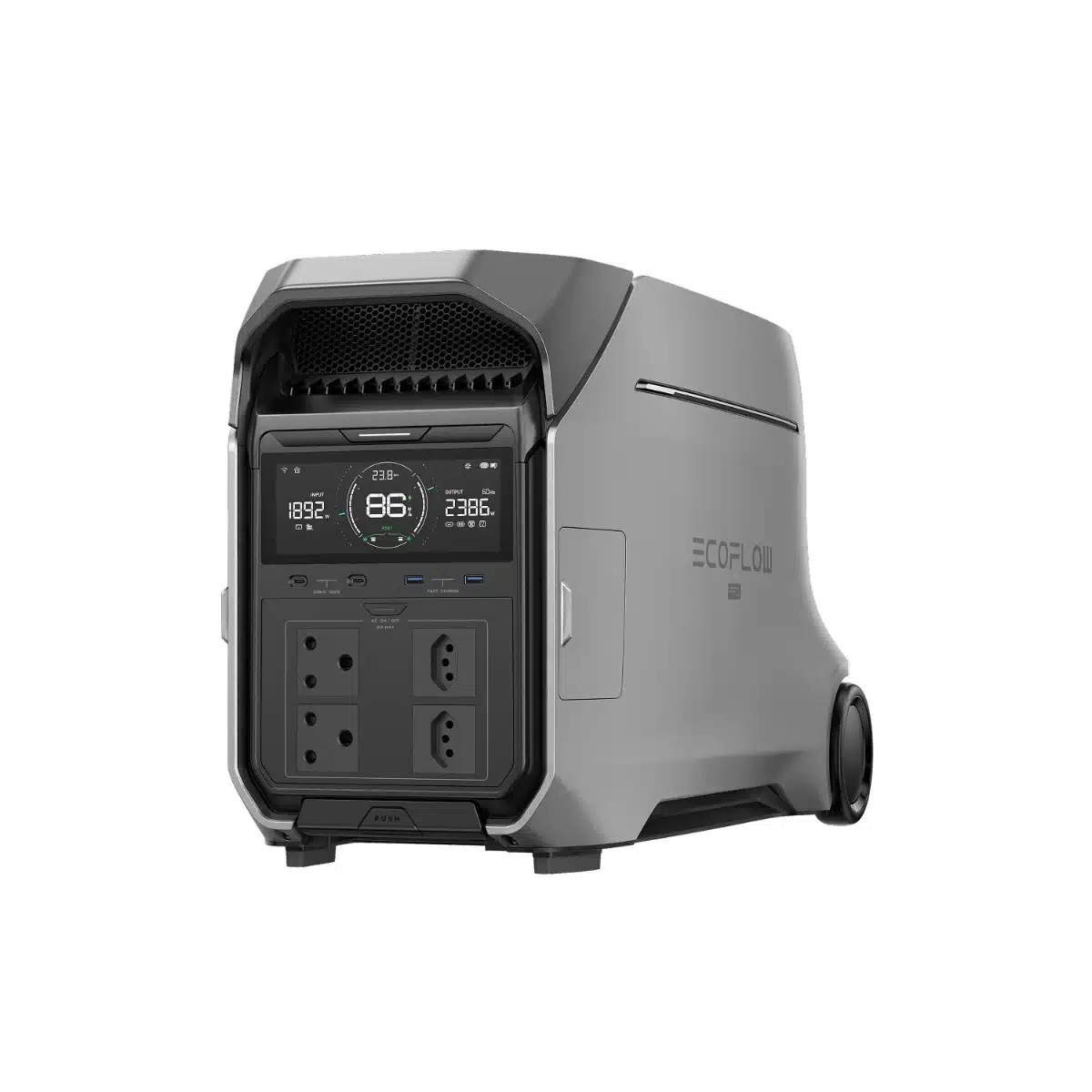
A portable power station is a lithium battery and an inverter in one case. Charge it from a wall socket, a solar panel or your vehicle, then run laptops, the Wi-Fi router, lights, a TV or a camping fridge from ordinary plug points, with no fuel and no noise. Our range covers the Jackery Explorer and EcoFlow DELTA power stations, plus Goal Zero lanterns.
Not sure what size you need? There’s a short guide below the products.
Showing all 11 resultsSorted by popularity
-
-
-

-
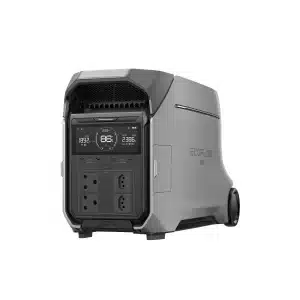
3 kWh LFP, 3,600 W, alternator charging, expands to 7 kWh
Original price was: R39 999.R33 999Current price is: R33 999. incl VATNotify me -
4 kWh LFP, 4,000 W output, expands to 12 kWh
Original price was: R61 999.R55 999Current price is: R55 999. incl VATNotify me




Showing all 11 resultsSorted by popularity
How to choose a portable power station
Two numbers on the spec sheet tell you most of what you need to know: capacity, in watt-hours (Wh), and output, in watts (W).
Capacity: how long it will last
Divide the capacity by what your devices draw and take off about 15% for inverter losses. That gives you a fair estimate of runtime. A 1,000 Wh unit running a fibre router (around 12 W) and a laptop (around 60 W) lasts about 11 hours. The same unit will keep a 12 V compressor fridge going for one to two days, depending on the heat and how often the lid is opened.
- 250 to 500 Wh: phones, laptops, lights and the router through an evening without power, or a weekend away.
- 1,000 to 2,000 Wh: a home office through a full working day without power, or a camping fridge and lights on a longer trip.
- 3,000 Wh and up: the household essentials (fridge, lights, TV and Wi-Fi) through a long outage. The EcoFlow DELTA Pro 3 and DELTA 3 Ultra Plus also take add-on batteries.
Output: what it can run
The inverter rating is the most the unit can supply at once, so add up everything you want to run at the same time and stay below it. Kettles, hairdryers, heaters and microwaves draw 1,500 W or more, which rules out the smaller units. Fridges, pumps and power tools also pull a short surge when the motor starts, which is why a separate surge (peak) figure is listed.
LiFePO4 or lithium-ion?
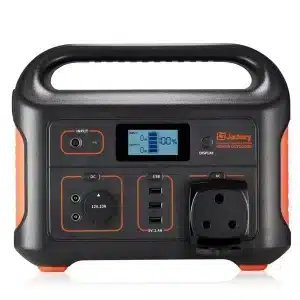
The EcoFlow DELTA range uses LiFePO4 (LFP) cells, rated for thousands of charge cycles: 4,000 on the DELTA Pro 3. Older designs such as the Jackery Explorer 500, 1000 and 1000 Pro use NMC lithium-ion, typically rated for 500 to 1,000 cycles before capacity drops to about 80%. NMC is lighter for the same capacity and is fine for camping and the occasional outage. If the unit will be charged and drained most days, choose LFP.
Charging from the wall, solar or your vehicle
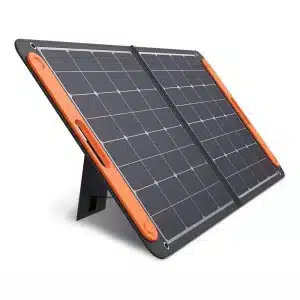
Every unit charges from a normal wall socket, and the DELTA Pro 3 recharges from the wall in about an hour. Most also accept solar: a folding panel such as the Jackery SolarSaga 100W plugs straight in, and the built-in MPPT controller does the rest. For overlanding, the DELTA 3 Ultra Plus charges from the vehicle’s alternator at up to 1,000 W, and most units will also charge, more slowly, from a 12 V car socket.
Power station or home backup system?
A power station plugs in where you need it, and nothing is wired into the house. Several of these units have a UPS mode that takes over in a fraction of a second when the power drops, so a desktop PC, router or alarm keeps running. If you want the lights and plugs across the whole house to stay on, or want rooftop solar to bring down your electricity bill, an installed inverter and battery is the better fit. See our all-in-one home backup systems, including the EcoFlow PowerOcean and Huawei Power-M.
Help choosing
The power stations we sell are South African models with SA plug sockets. If you’re unsure which one fits, send us a list of what you want to run and for how long, and we’ll suggest a size.