



ONE MORE BATTERY
Five more kilowatt-hours for your Power-M
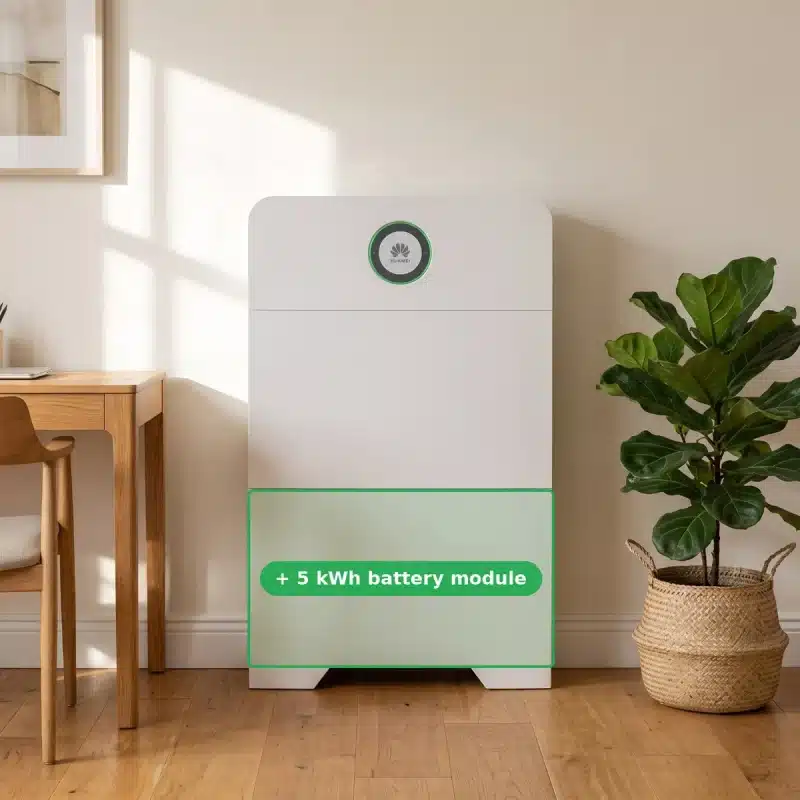
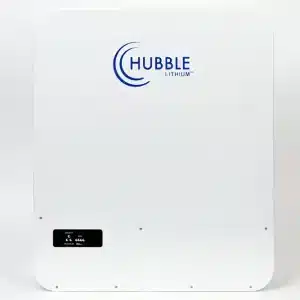
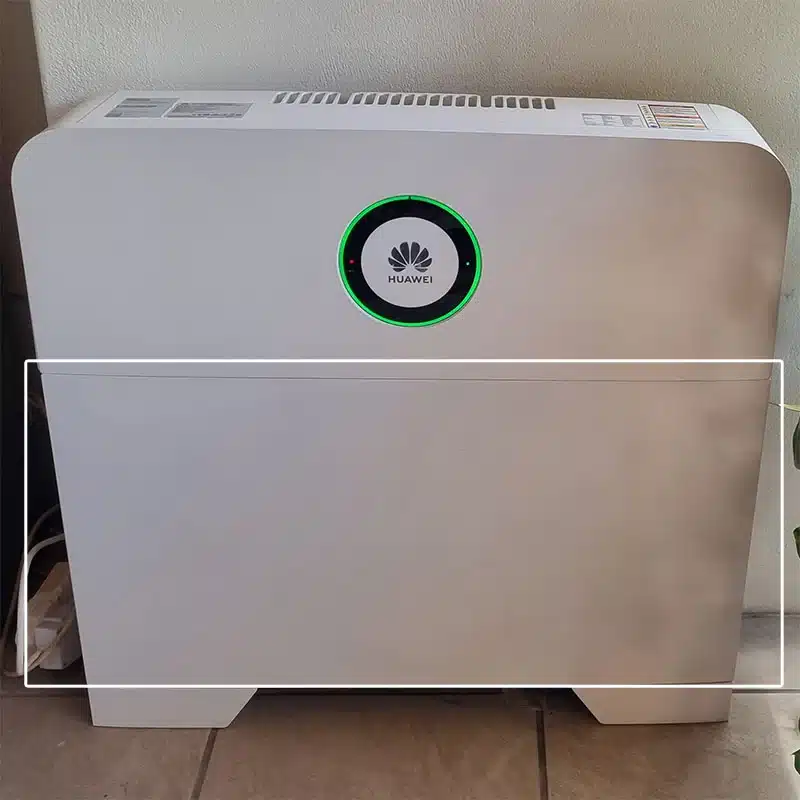
This is the Huawei iSitePower-M battery module (MAB05B1): a 5 kWh lithium iron phosphate battery that stacks under the power module of any Huawei Power-M. It is the same module that ships inside the 5, 10 and 15 kWh systems, so it matches the ones you already have in size, finish and capacity.
Each module measures 700 × 390 × 158 mm and weighs about 50 kg. It connects to the module above it and is recognised by the power module once your installer adds it in Huawei’s FusionSolar app.
It only works with the Huawei Power-M. Batteries from other brands, including other Huawei batteries such as the LUNA range, do not connect to it.
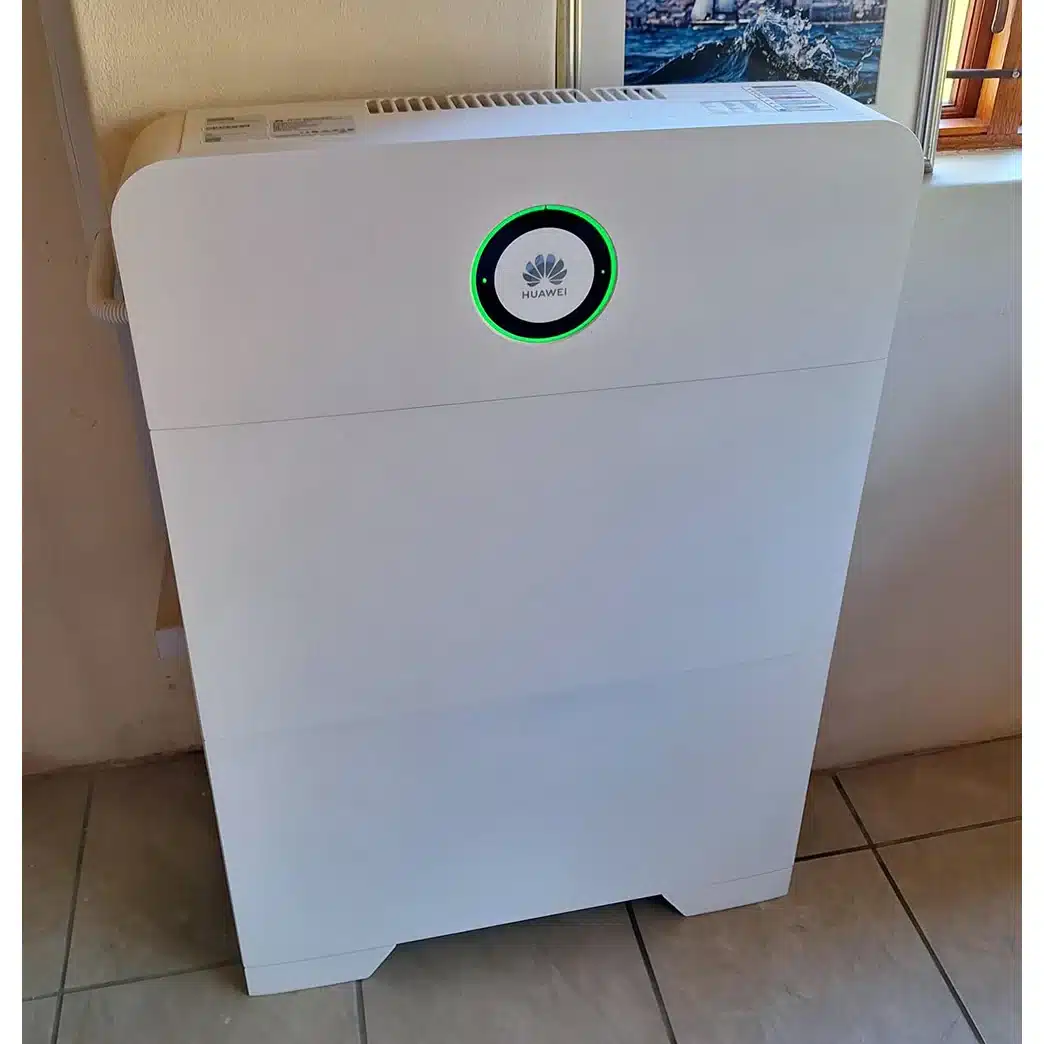
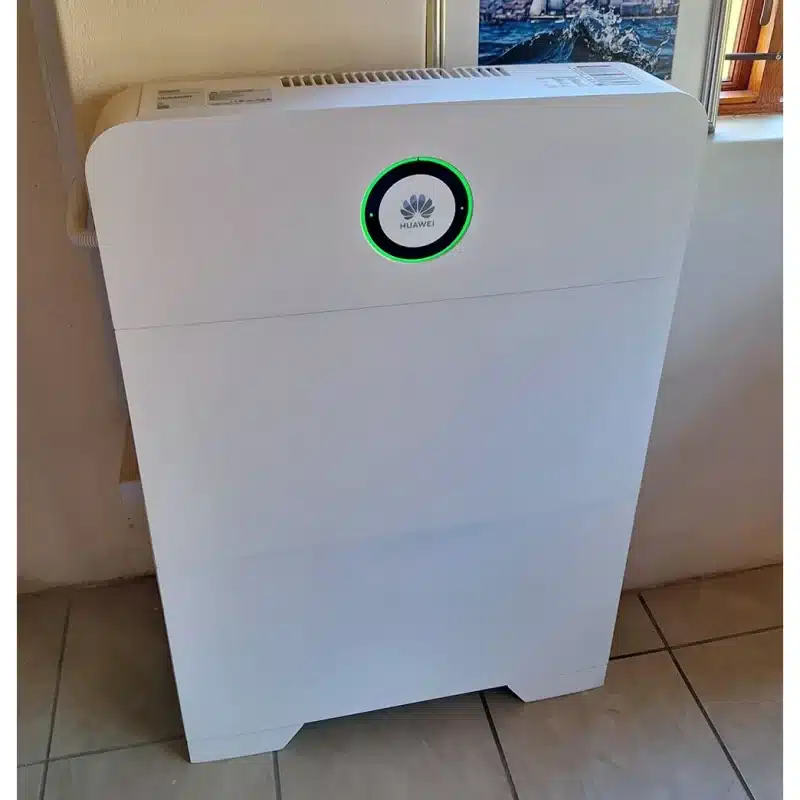
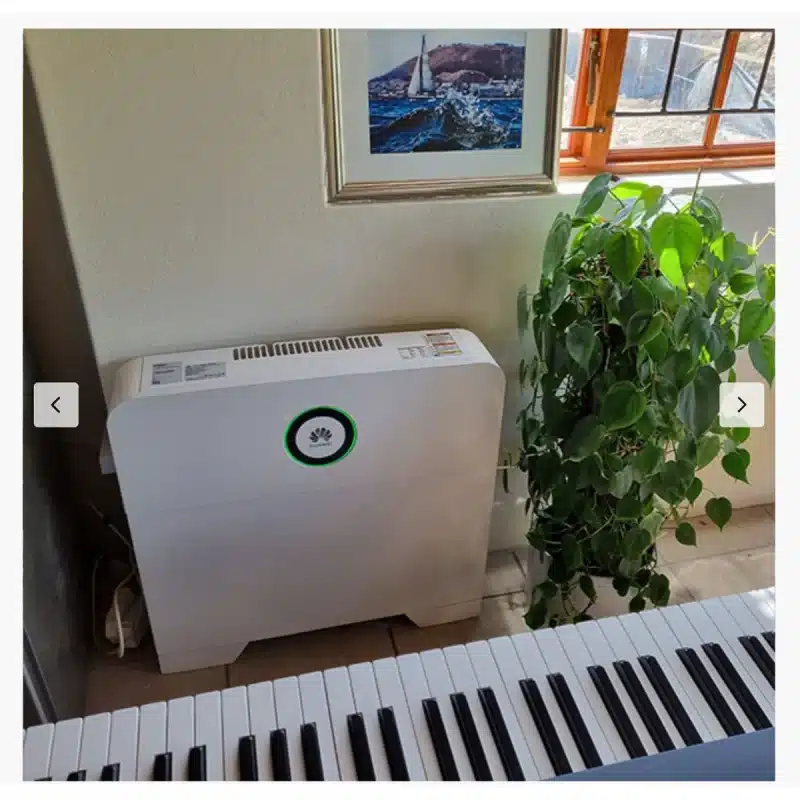
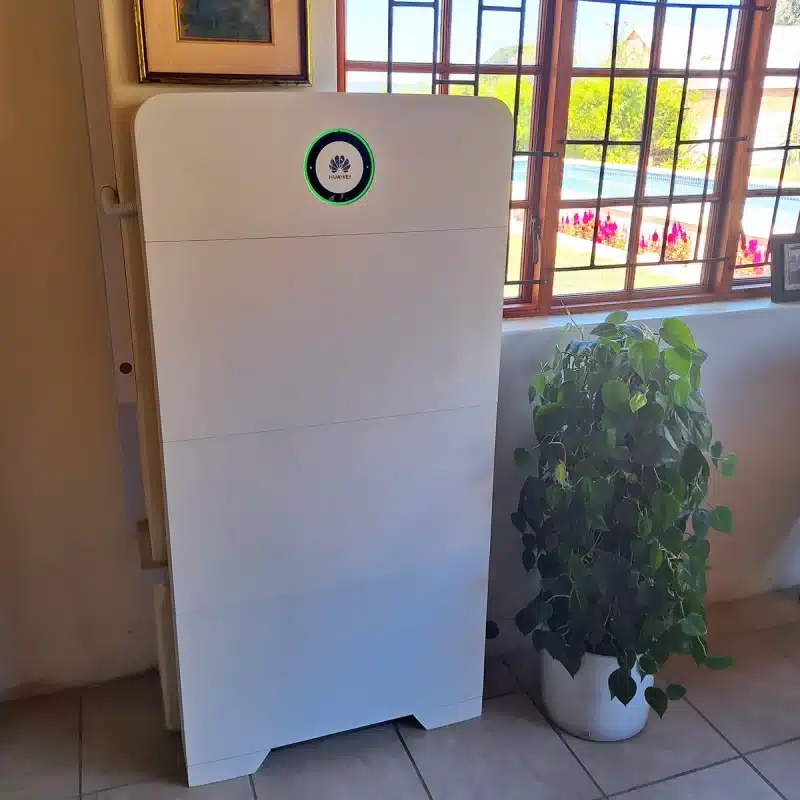
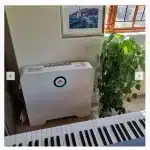
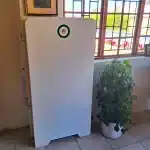
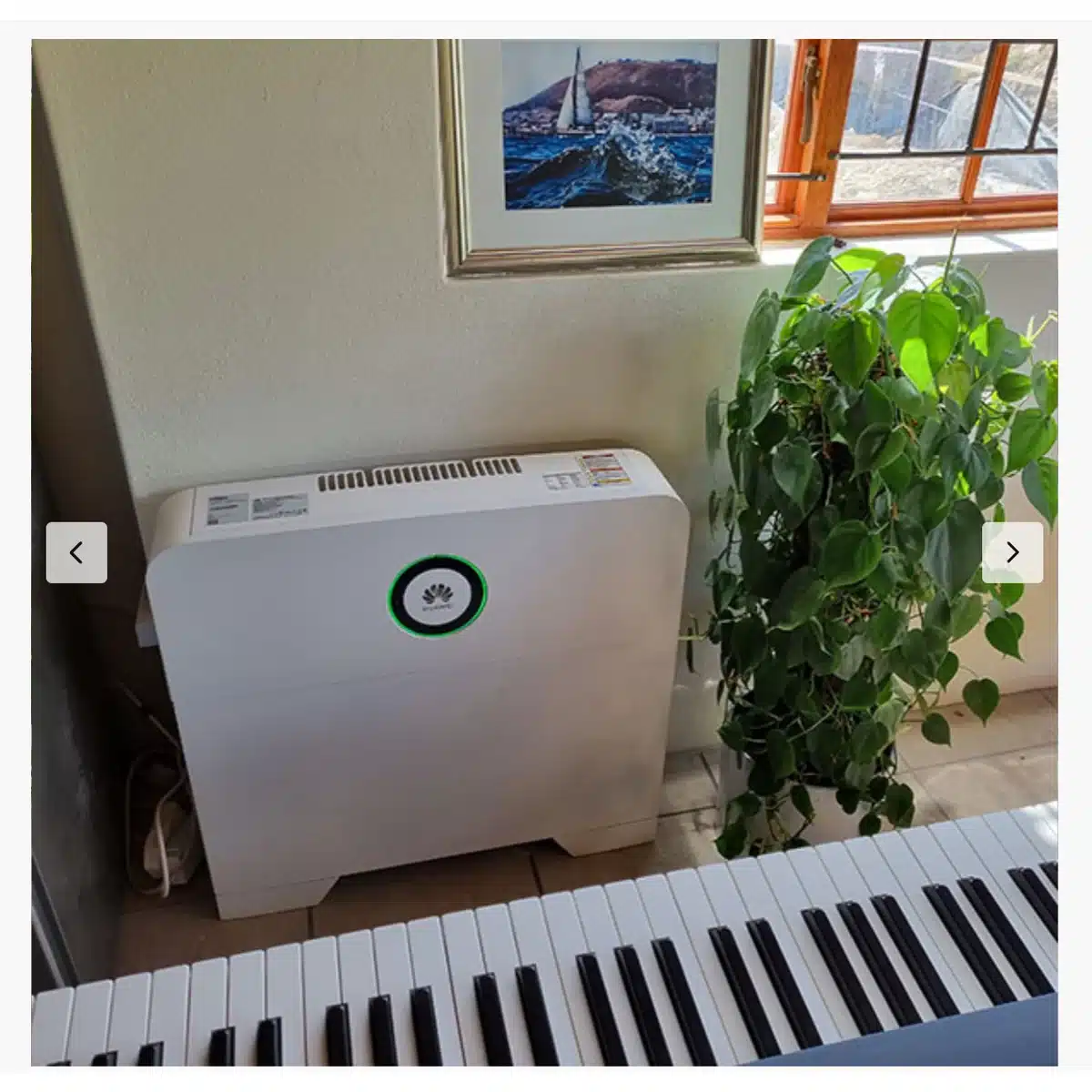
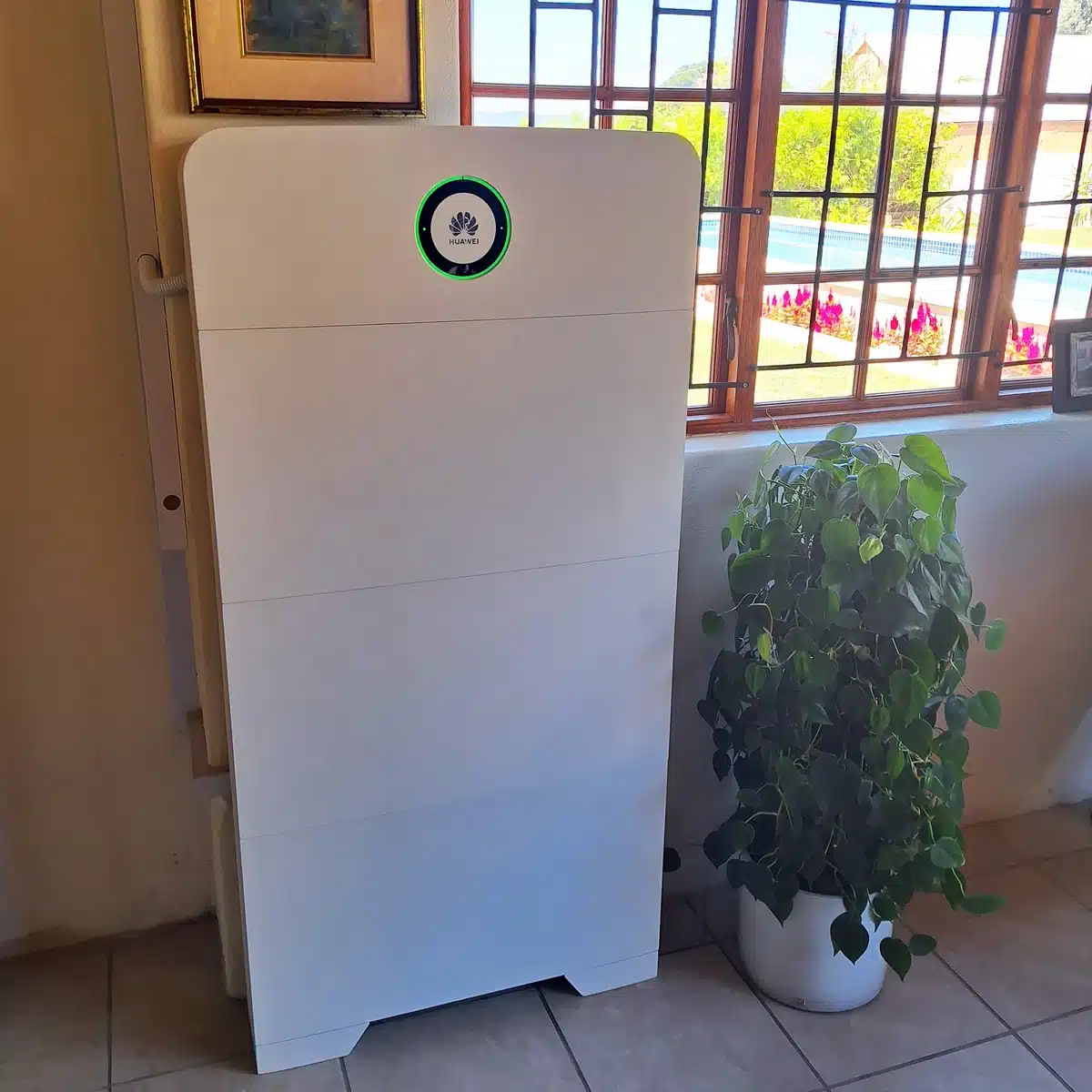
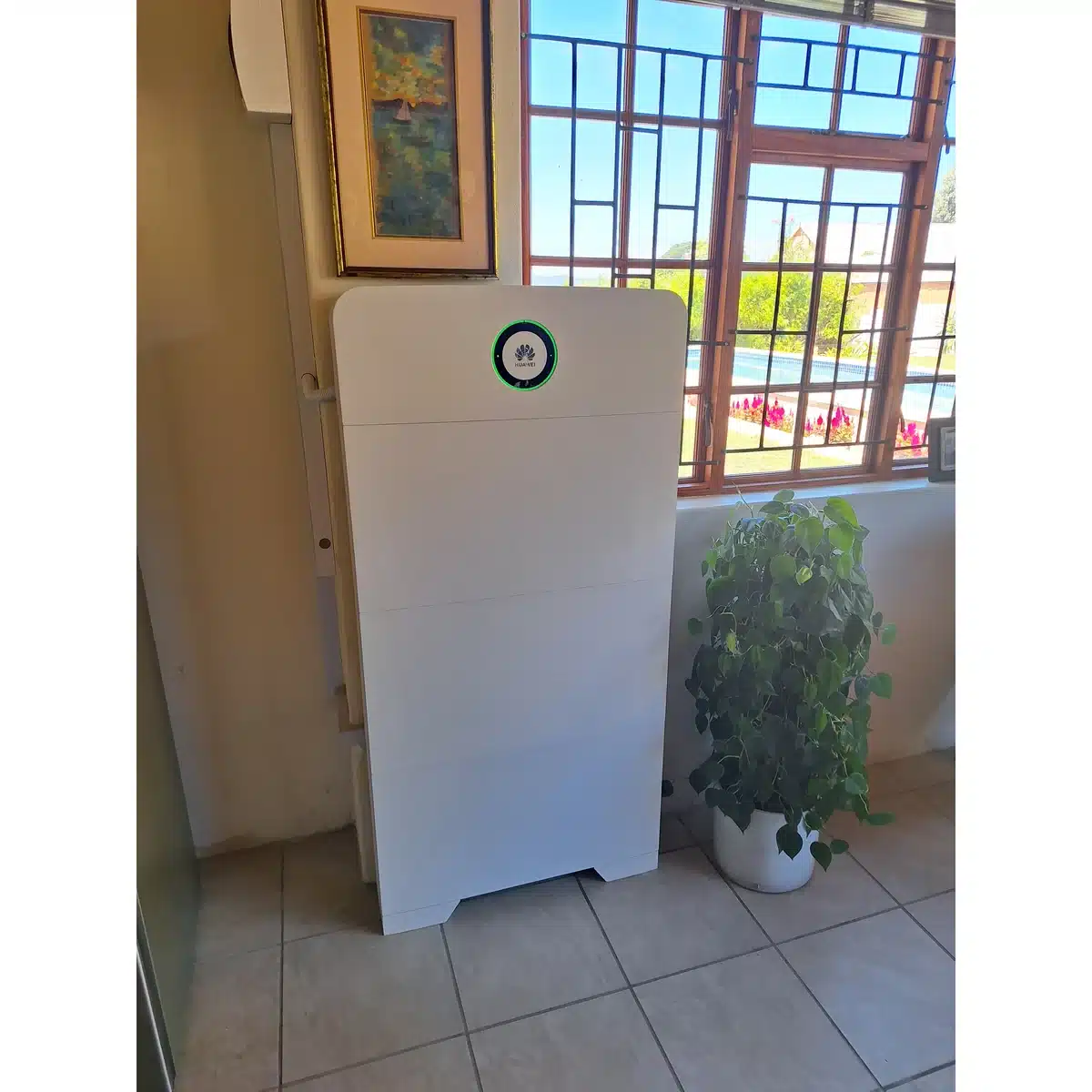
I installed the Huawei Power-M at my house in 2022 when we had regular stage 6 load shedding. Having started with one battery, I later upgraded to two batteries, then added solar panels, and eventually a third battery. With the current setup, which includes eight solar panels, my house is virtually off grid. The system is installed in my dining and music room. It’s virtually silent and looks great.
Dylan Phelan, EcoHub director
WHAT IT CHANGES
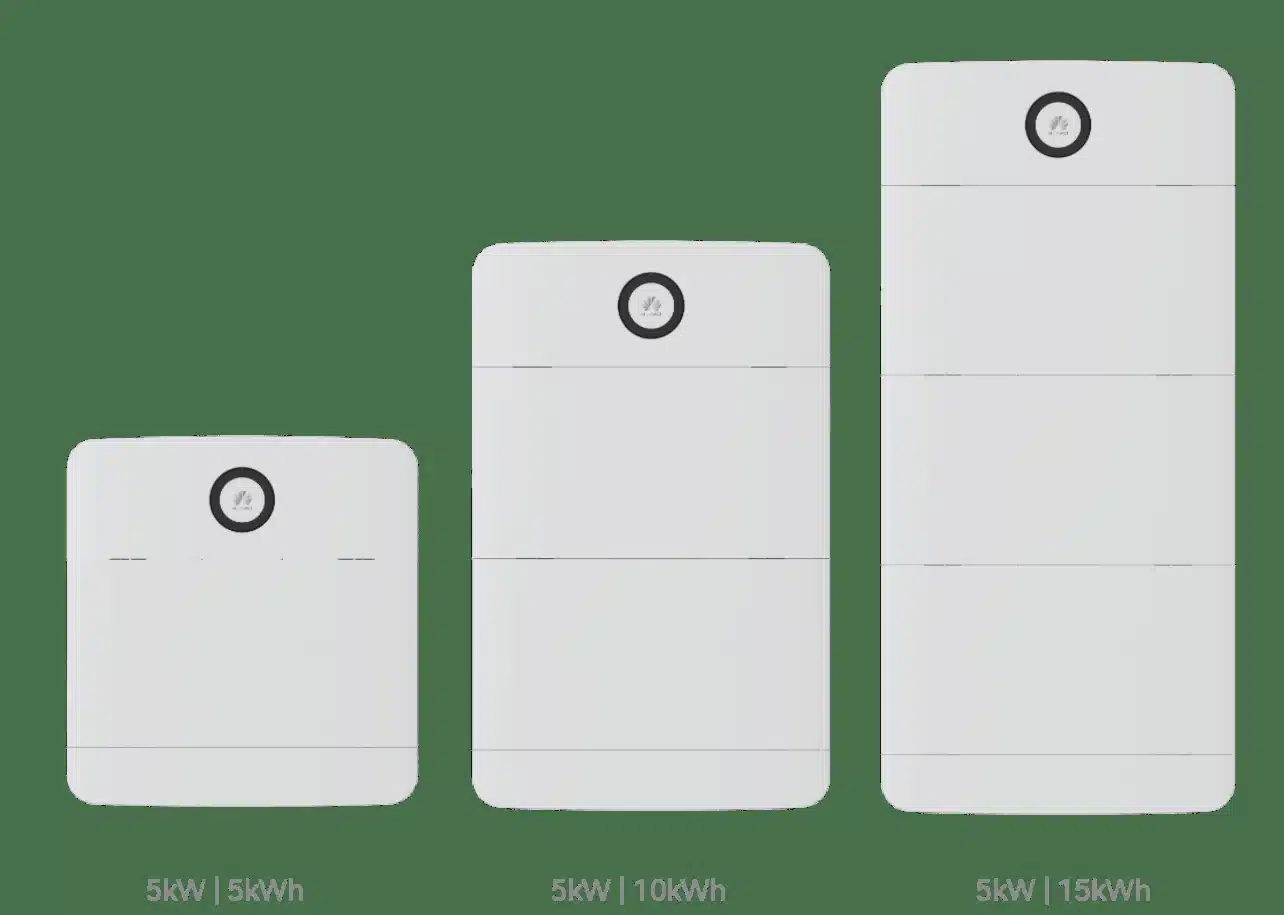
From 2.5 kW to the full 5 kW with a second battery
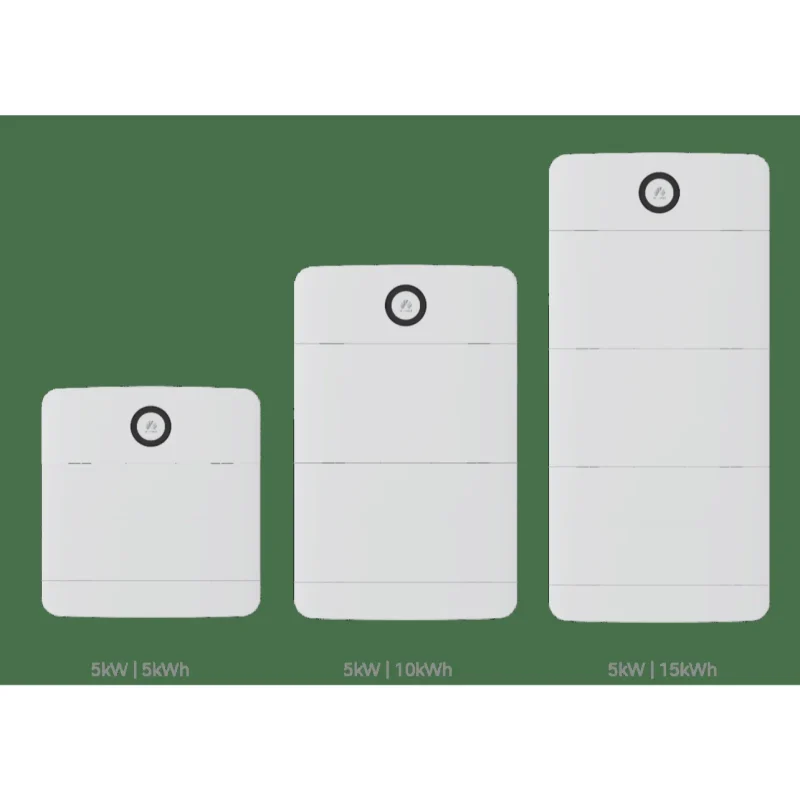
On a Power-M 5kWh, a second battery does two things. It doubles the storage to 10 kWh, and it lifts the output from 2.5 kW to the full 5 kW, because each battery module delivers up to 2.5 kW. That is the upgrade most single-battery owners notice first: the kettle and microwave can run during an outage.
On a Power-M 10kWh, a third battery adds hours rather than power. The output stays at 5 kW and the storage rises to 15 kWh, the full single tower.
Huawei allows up to six battery modules on one power module. A fourth starts a second stack and needs its own floor base, so speak to us before ordering more than three in total.
QUIET ENOUGH FOR THE LOUNGE
Built to live in the room, not hidden from it
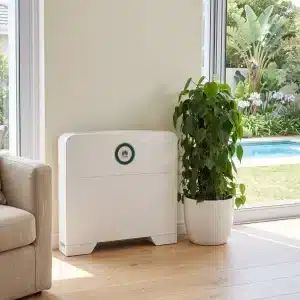
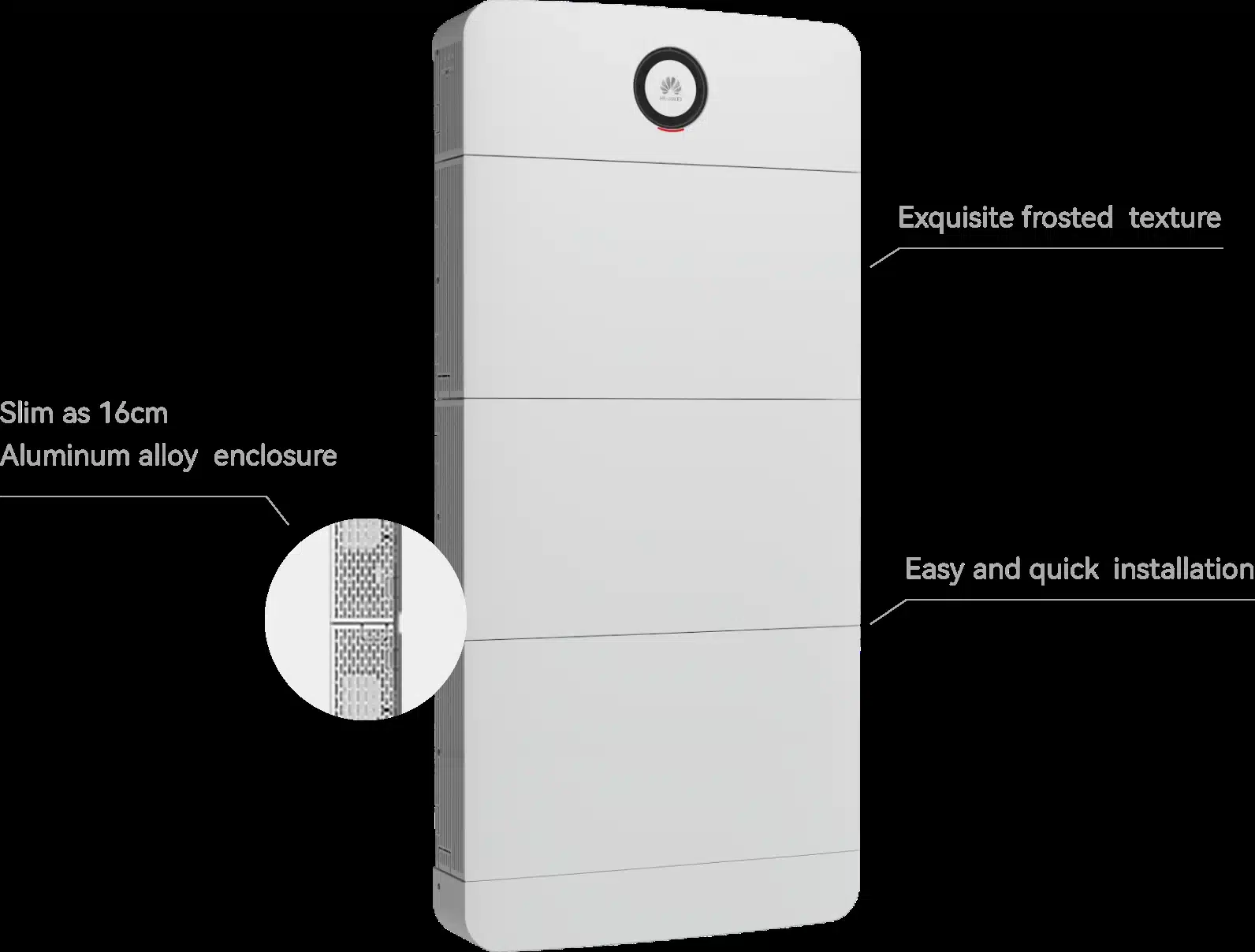
Most inverter and battery combinations end up in a garage because of how they look and sound. The Power-M was designed the other way round: a matt white aluminium enclosure only 16 cm deep, rounded corners, no visible cabling once installed, and a single round status display with a green LED ring.
Huawei rates it at 40 dBA or less at one metre, about the level of a quiet library, and it relies on natural heat dissipation rather than a fan that runs all evening. Each battery adds 39 cm of height to the tower and nothing to its 16 cm depth.
The modules carry an IP66 rating on Huawei’s specification sheet, so the cabinet can also go on a sheltered patio or in a garage if that suits your wiring better. It mounts on the supplied floor base or on a wall.
HOW OUR DIRECTOR’S GREW
One battery, then two, then three
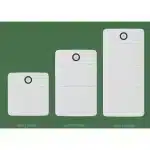
EcoHub’s director installed his own Power-M in 2022 with a single battery, during regular stage 6 load-shedding. The pictures here follow it: one battery, two batteries, and the full 15 kWh tower it is today.
Adding modules in the same spot meant no new wall space, no change to the distribution board and no new inverter. Each time, the new battery went in under the others and was added in the app.
With eight solar panels now connected, he describes the house as virtually off grid.
SOLAR WHEN YOU’RE READY
Add panels on day one or a year later
The Power-M is a hybrid system: the solar charge controller is built into the power module, so panels connect directly with no extra hardware. Huawei rates the input at up to 5.5 kWp across two strings on one MPPT, which suits most residential roofs.
Without panels it works as a backup system, charging from the grid between outages. With panels, the sun runs the house during the day and refills the batteries for the evening, and the grid becomes the fallback rather than the main supply. More battery capacity means more of the day’s solar can be stored for the evening rather than sent nowhere once the batteries are full.
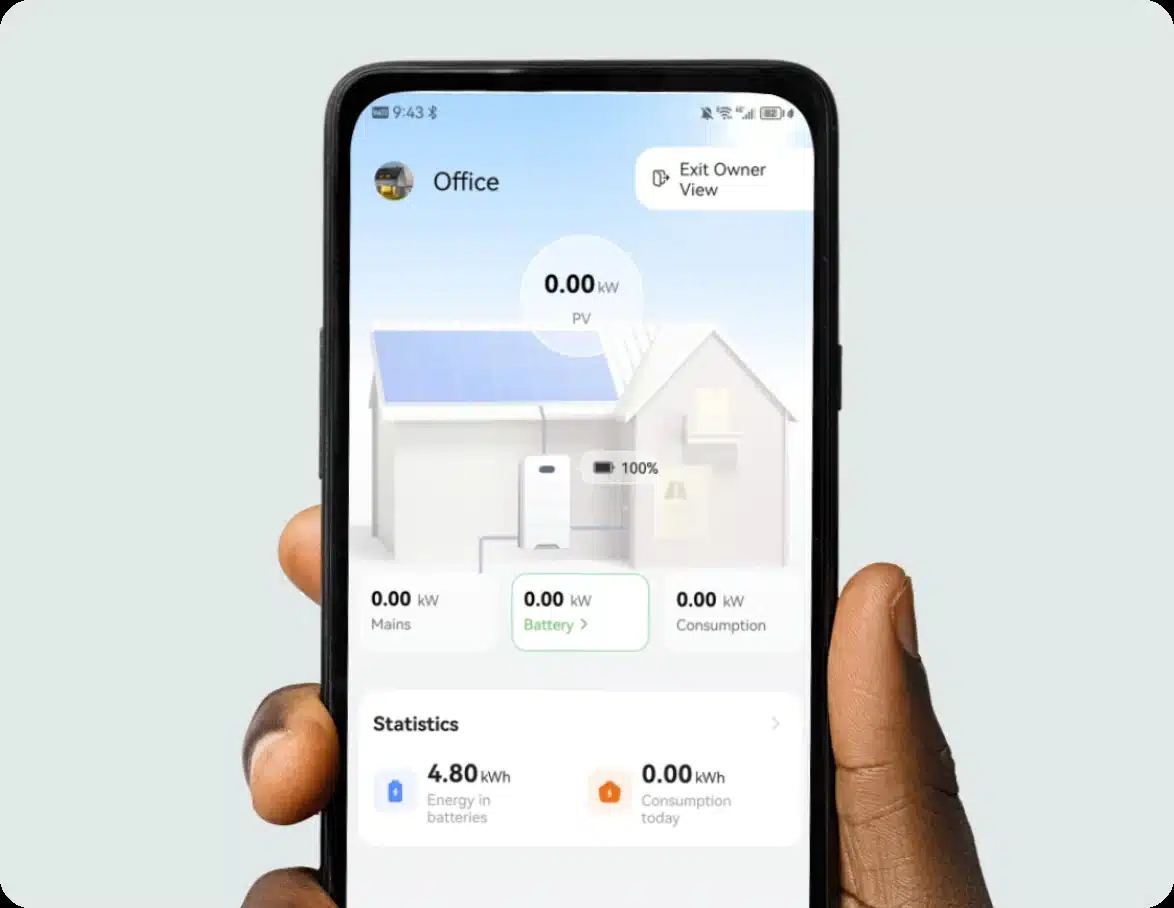
Everything is visible in Huawei’s FusionSolar app: battery level, solar production, what the house is drawing and where the power is coming from, at home or remotely.
MADE FOR SOUTH AFRICAN POWER
Supplied for South African systems, with a local warranty
This module is supplied through Huawei’s South African distribution and carries Huawei’s local 10-year warranty. Battery modules imported privately do not carry that warranty.
Lithium iron phosphate is among the most thermally stable lithium chemistries used for home storage, and Huawei rates the module for 6,000 cycles at 25 °C and 80% depth of discharge in its brochure: more than sixteen years of one full cycle a day.
Have your installer fit it. The module is heavy, it must be seated and connected correctly, and the system needs to be updated in the app so the power module uses the new capacity.
The Power-M in operation
Huawei Digital Power’s South African team demonstrates the Power-M’s features and how the battery modules stack.
Power-M battery module specifications
| Model | Huawei iSitePower-M MAB05B1 |
| Compatible with | Huawei iSitePower-M (Power-M) power module MAP05A1 only |
| Output per module | Up to 2.5 kW; 2 or more modules give the full 5 kW of one power module |
| Size and weight | 700 × 390 × 158 mm (W × H × D), about 50 kg |
| Stacking | Up to 3 per tower on one floor base; up to 6 per power module |
| Cycle life | 6,000 cycles at 25 °C and 80% depth of discharge (Huawei brochure) |
| Ingress protection | IP66 (Huawei spec sheet; IP65 in its 2021 brochure) |
| Operating range | 0 to 45 °C, 5–95% relative humidity |
| Certification | IEC 62619, UN 38.3 |
Huawei’s documentation: Power-M brochure (PDF) and the FusionSolar app guide (PDF).
Which Power-M upgrade makes sense
If you are buying a new system, the complete Power-M 10kWh or Power-M 15kWh is usually the better buy than a 5kWh plus loose batteries: each extra battery inside a system costs less than buying it on its own.
If you already own a Power-M 5kWh, one module brings you to 10 kWh and the full 5 kW output. If you own a 10kWh, one module completes the 15 kWh tower.
For more output as well as more storage, a second power module running in parallel is the route, as in our 10kW / 20kWh and 10kW / 30kWh systems. Talk to us before adding a fourth battery to a single power module.
Questions we are asked about the Power-M battery module
Yes, if you have a Huawei iSitePower-M (Power-M) with the MAP05A1 power module, the power module used in every Power-M system we sell. It does not work with other Huawei batteries or with other brands of inverter.
We recommend your installer does it. The module weighs about 50 kg, it must be seated and connected correctly to the module above, and the system has to be updated in Huawei’s FusionSolar app before the power module uses the extra capacity.
On a 5kWh system it doubles storage to 10 kWh and lifts output from 2.5 kW to 5 kW. On a 10kWh system it adds 5 kWh, roughly nine more hours at a 500 W essential load once conversion losses are allowed for, with the output staying at 5 kW.
Up to three in a single tower on one floor base, and up to six on one power module. A fourth battery starts a second stack beside the first and needs a second base.
Adding modules over time is how the Power-M is designed to grow; our director’s own system was built that way over several years. Your installer should update the system firmware in the FusionSolar app when the new module goes in.
The Power-M carries Huawei’s 10-year warranty, supported in South Africa through Huawei’s local distributor. If a module develops a fault, contact us with your order number: we log the claim, follow it up and keep you informed until it is resolved.
The warranty covers the equipment. Faults caused by the installation itself, such as wiring or protection errors, are the installer’s workmanship and are taken up with them, which is one reason a Certificate of Compliance matters.
Fake online stores have advertised the Power-M at prices no genuine seller can match, then disappeared with the payment. EcoHub has sold Huawei backup systems since the Power-M arrived in South Africa in 2022 and has traded as an online store since 2012. Our stock comes through Huawei’s South African distribution, which is what makes the local warranty valid. If a price looks too good to be true, check the seller’s history before you pay.
Yes. You can collect from our Kempton Park warehouse or have it delivered; choose at checkout and the delivery cost is shown before you pay. At about 50 kg it is a two-person lift.
Why Buy From EcoHub
Power-M market leaders
We have sold the Huawei Power-M since it reached South Africa in 2022 and are one of its largest suppliers in the country. Our director runs one in his own home.
Trusted by installers
Installers and electrical contractors across South Africa buy their Power-M systems from us, and we refer customers to experienced Power-M installers in most areas.
The right system, first time
Every system comes through Huawei’s South African distribution with the local 10-year warranty, and advice on sizing comes from a specialist store trading since 2012.
Delivery or collection
Collect from Kempton Park or have it delivered across South Africa in 1–3 working days. Orders are generally ready within 24 hours of payment.



Excellent service
Very good customer service
Thanks Sarati
Bought an extra Huawei Power M battery. Quick, efficient service at a good price. Thank you.
second time buying from eco hub and what an amazing experience once again thanks guys.