










WHOLE-HOUSE POWER ON WHEELS
Four kilowatt-hours you can wheel to where the power is needed
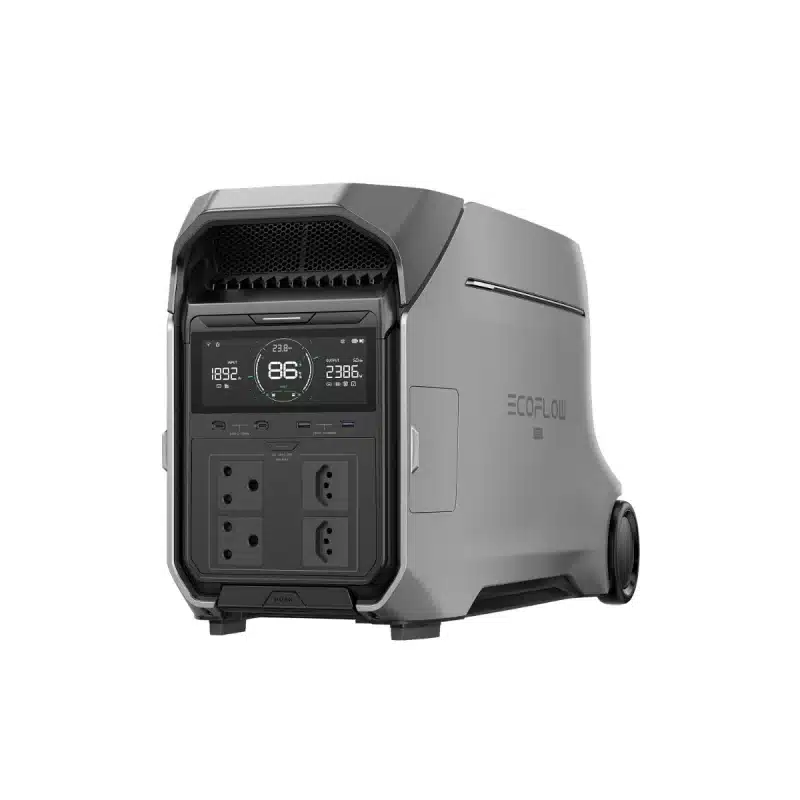
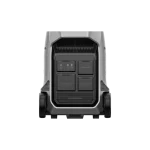
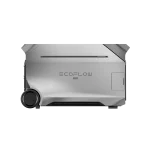
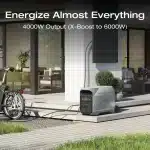
The EcoFlow DELTA Pro 3 is a 4,096 Wh lithium iron phosphate (LFP) power station with a 4,000 W pure sine wave inverter. That is enough to run a fridge, lights, Wi-Fi, a TV and a kettle together, and its 8,000 W surge rating gets motor loads such as a pump or a compressor started.
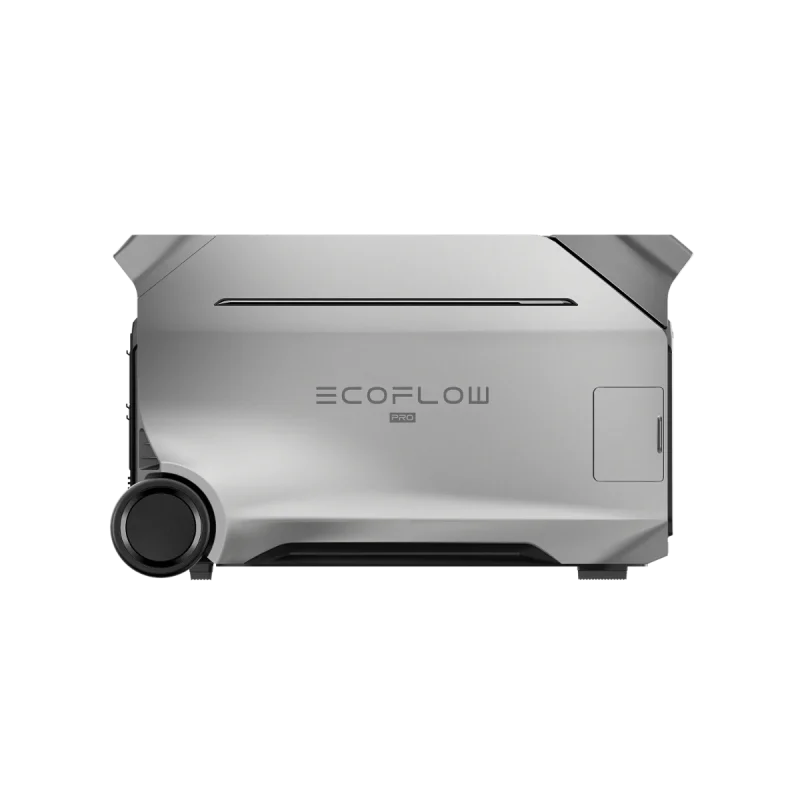
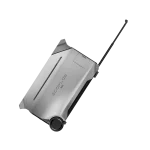
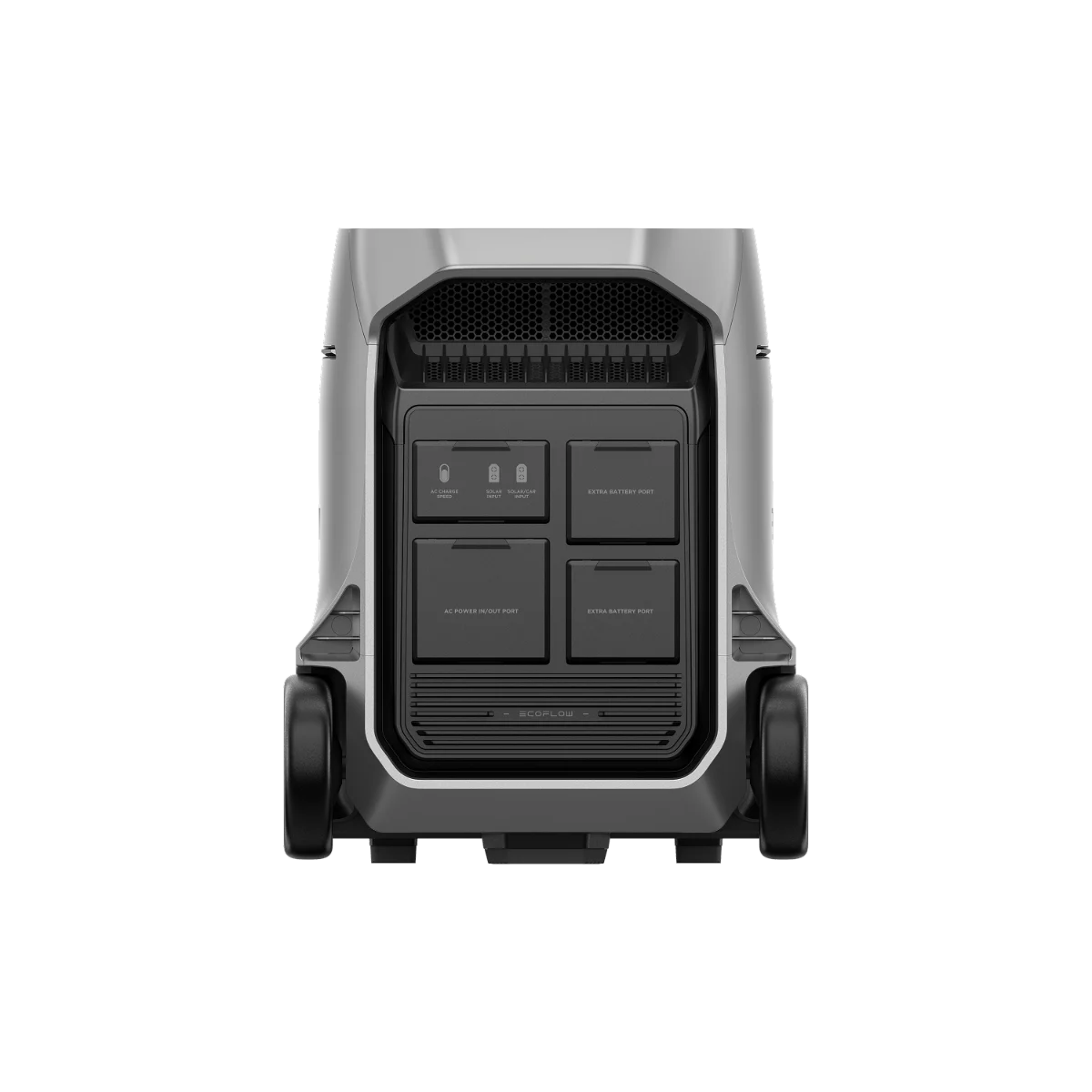
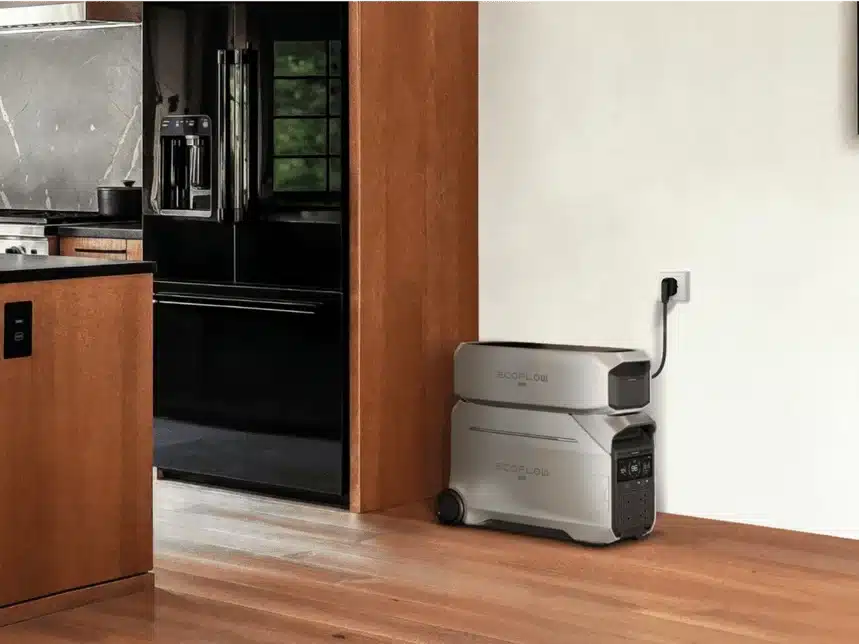
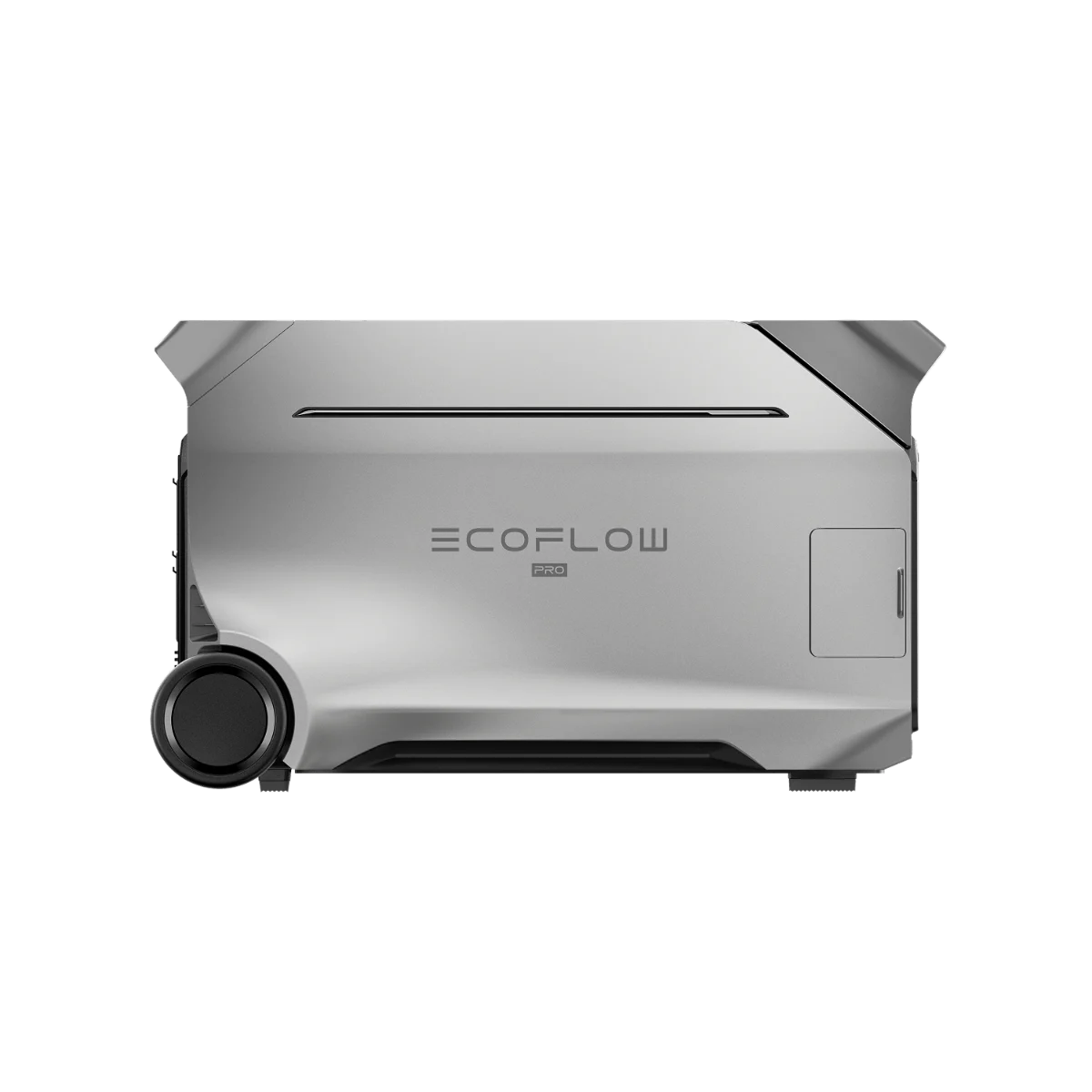
It is a portable unit, not a wall-mounted system. Wide wheels and a telescopic handle move its 51.5 kg across a garage or up a ramp into a bakkie, and nothing has to be wired into your DB board for it to work: appliances plug straight into it.
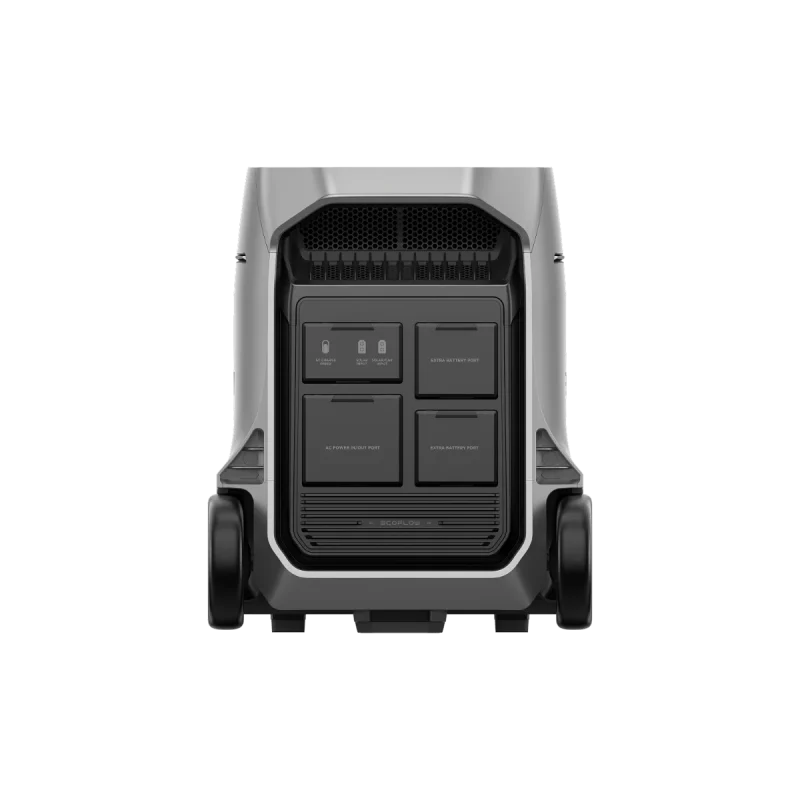
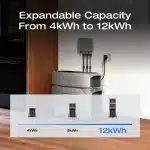
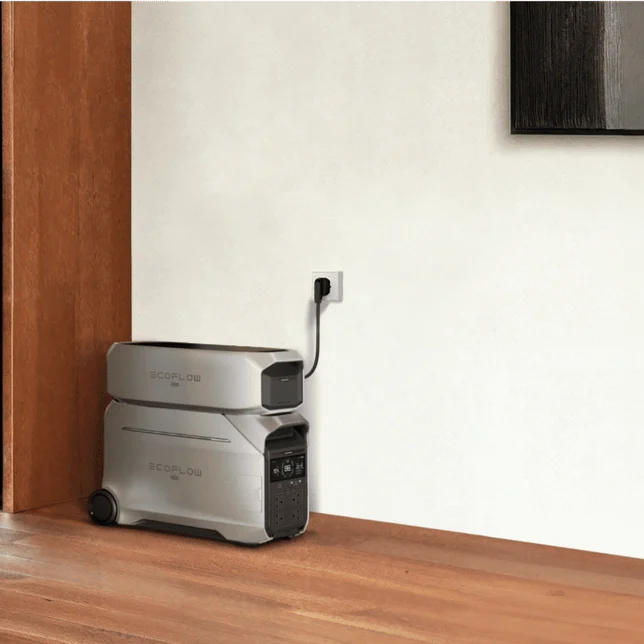
When one unit is not enough, the DELTA Pro 3 Smart Extra Battery adds another 4,096 Wh. Two of them take the system to 12 kWh, which carries a typical home through a long outage.
Whole-house backup that needs no installer, and goes camping when the power is back.
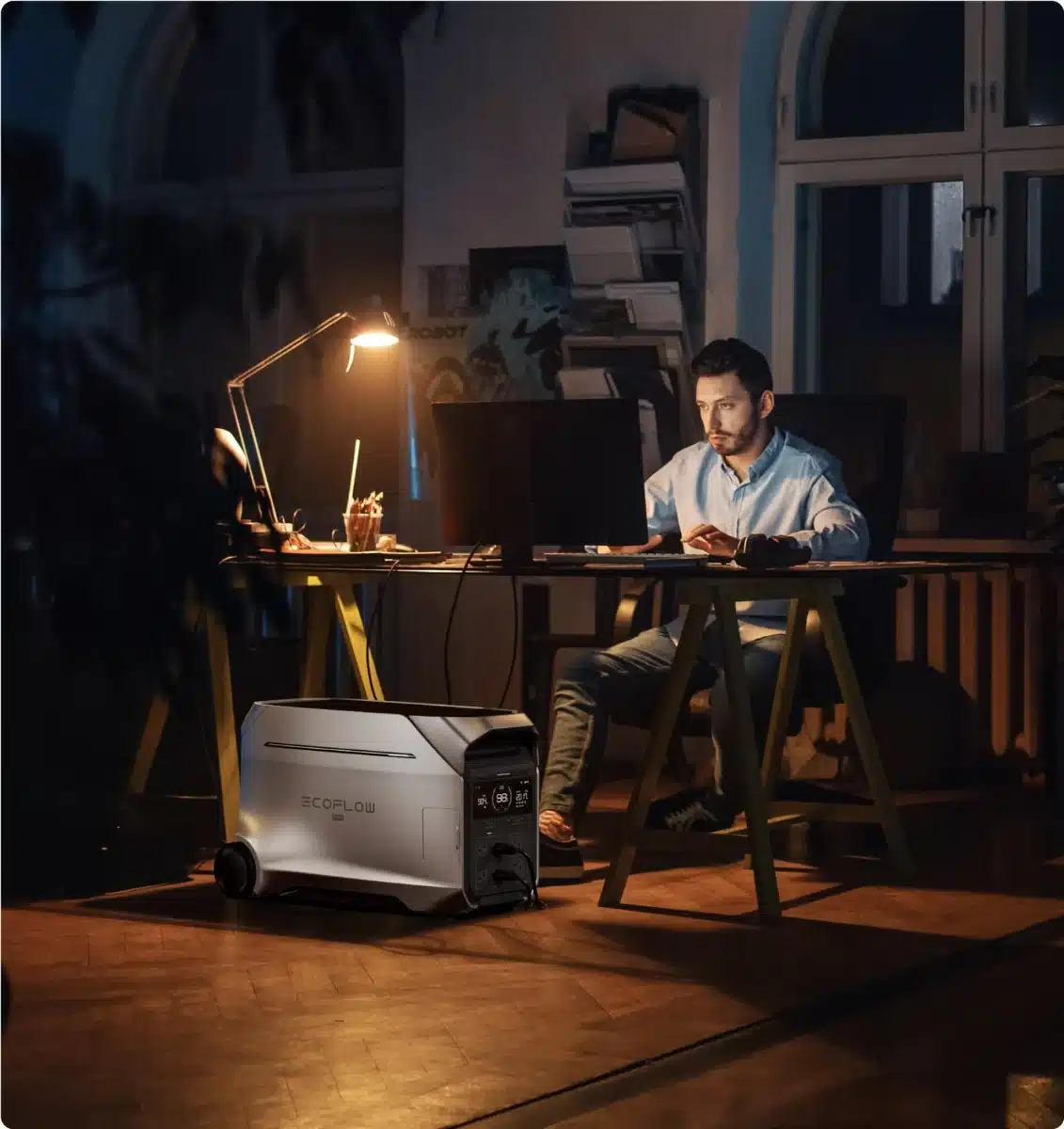
LOAD-SHEDDING
Ten milliseconds, and the house carries on
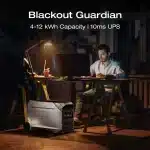
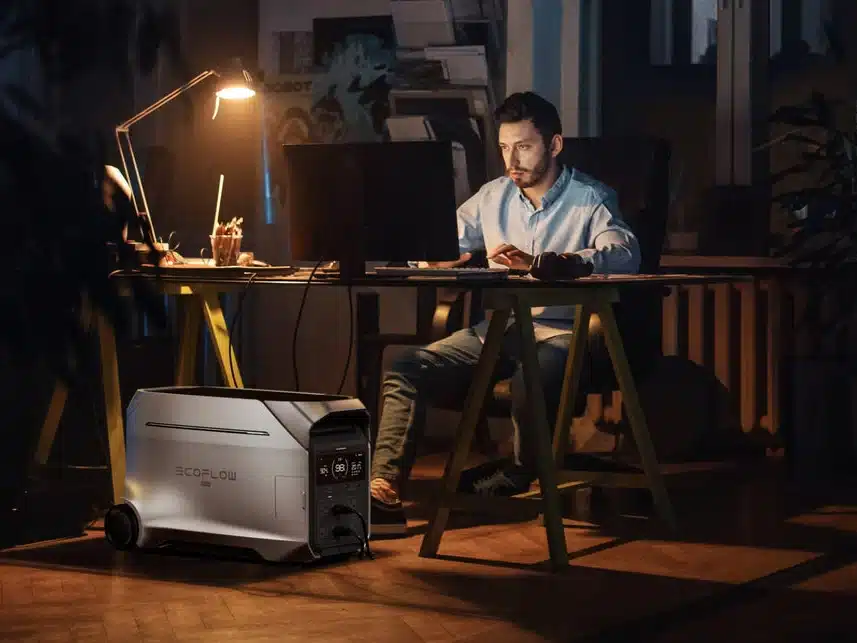
Leave the DELTA Pro 3 plugged into the wall with your essentials plugged into it and it works as a UPS. When the grid drops, it takes over within 10 ms, quick enough that a desktop computer, router and most TVs simply stay on.
Between outages it sits on charge and keeps quiet. EcoFlow rates it as low as 30 dB under a 2,000 W load, about the level of a whisper, so it can live in a study or beside a bed.
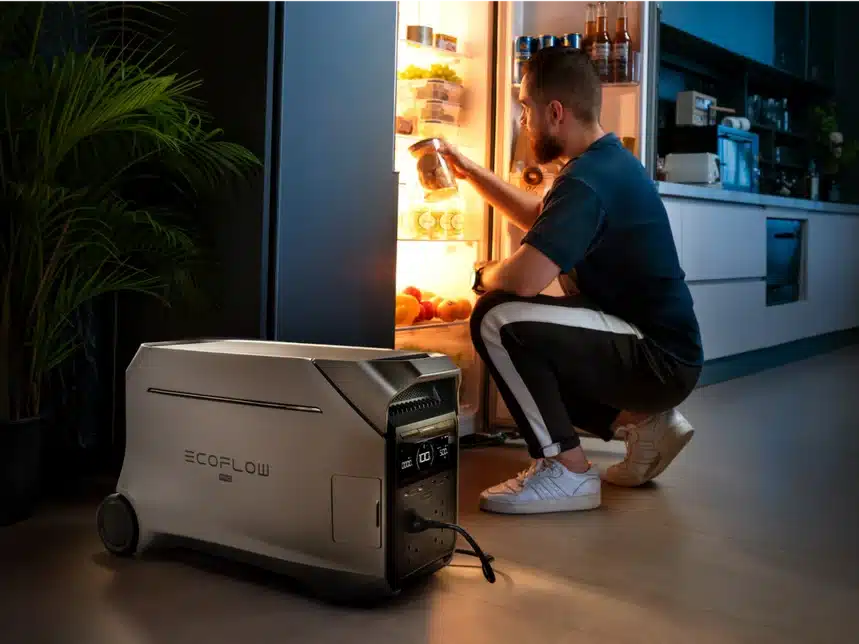
How long it lasts depends on what you run. A modern fridge, a router, LED lights and a TV use roughly 2 kWh a day between them, so a single unit covers them for well over a day; a 2,000 W heater running flat out empties it in under two hours. Send us your list of appliances and we will do the sum for your house.
WHERE IT WORKS
At home, at the campsite, on the plot
At home it is backup power that needs no installer. At a campsite or on a game farm it runs a fridge-freezer, lights, a coffee machine and phone chargers without the noise or fumes of a generator.
On a smallholding or building site it powers tools and pumps where there is no supply, and tops itself up from solar panels during the day. Its 12 V Anderson output and car socket also run 12 V fridges and camping gear directly.
For a small business it keeps a point-of-sale counter, a reception desk or a home practice working through load-shedding, and it moves with you if you change premises.

CHARGING
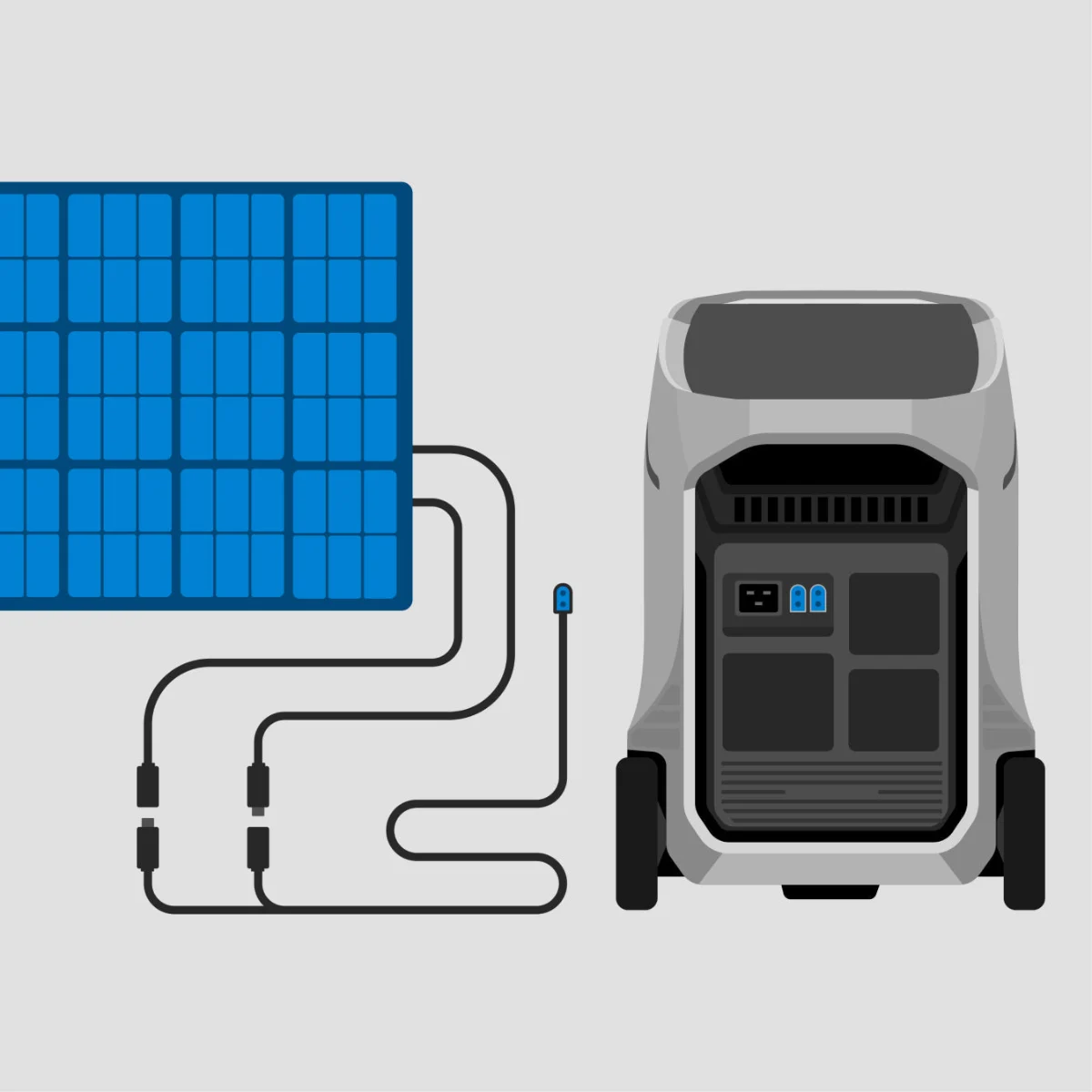
Six ways to charge, and several at once
From a wall socket, EcoFlow’s X-Stream charging takes it from empty to 80% in about an hour at up to 2,900 W. That matters during load-shedding: an hour of grid power between slots is enough to refill most of the battery.
Two solar inputs work at the same time. The high-voltage input takes 30–150 V at up to 1,600 W and the low-voltage input 11–60 V at up to 1,000 W, so 2,600 W of panels in total, or six to seven 400 W panels.
It also charges from a vehicle’s 12 V socket, from an EcoFlow Alternator Charger while you drive, from a petrol or gas generator, and from several of these combined. EcoFlow quotes up to 7,000 W with sources combined.
BATTERY
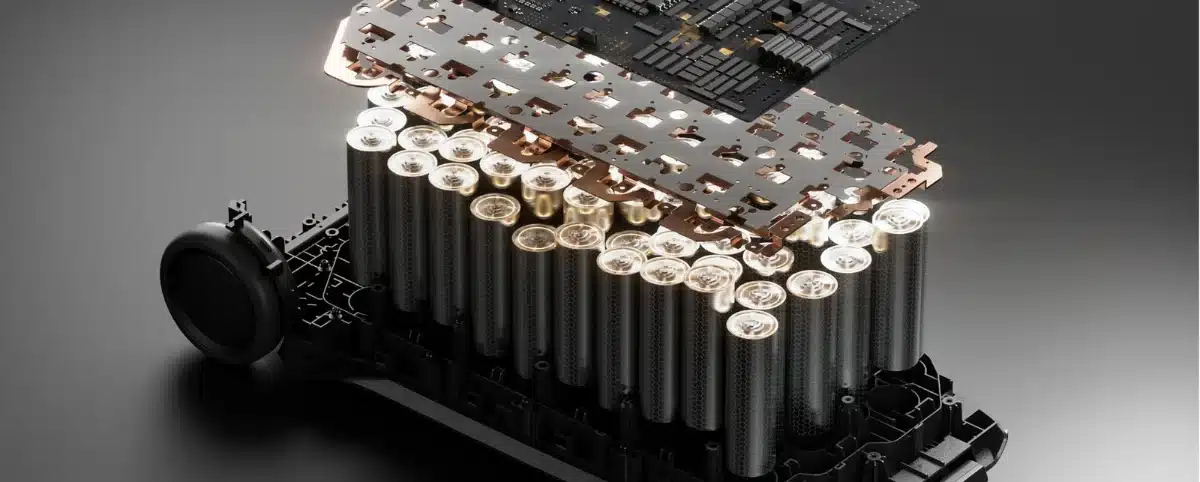
LFP cells in a sealed, IP65-rated pack
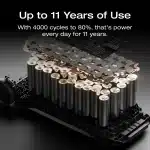
The cells are automotive-grade lithium iron phosphate, the chemistry used in most home batteries because it tolerates heat and deep cycling well. EcoFlow rates the DELTA Pro 3 for 4,000 cycles before capacity falls to 80%, which is about 11 years of charging once a day.
The battery pack is sealed to IP65 against dust and water spray. The main unit around it is IP20, so the DELTA Pro 3 belongs indoors or under a roof, not out in the rain or on a wet campsite floor.
It charges between 0 °C and 45 °C and discharges between −10 °C and 45 °C, and lasts longest kept between 20 °C and 30 °C. In a Karoo or Lowveld summer that means a shaded, ventilated spot rather than a closed garage or the back of a bakkie in the sun.
MADE FOR SOUTH AFRICAN POWER
The South African model, with South African sockets
The DELTA Pro 3 we supply is EcoFlow’s South African version (EFDELTAPRO3-ZA): 230 V, 50 Hz output on South African plug sockets, and it charges from an ordinary wall socket. EcoFlow also sells a European-plug version in South Africa that needs adapters; we do not supply it.
Units brought in on-demand from overseas stores are often the 120 V American model, which needs a transformer for South African appliances and carries no local warranty.
Ours comes through EcoFlow South Africa with a 5-year warranty from the date on your invoice, and we log and follow up any claim with EcoFlow for you.
The DELTA Pro 3 in operation
EcoFlow’s own short film of the DELTA Pro 3: the unit, its controls and how it charges.
DELTA Pro 3 specifications
| Surge output | 8,000 W |
| X-Boost | Runs resistive appliances up to 6,000 W at reduced voltage |
| AC charging | 200–240 V, up to 2,900 W, 0–80% in about an hour |
| Solar inputs | High voltage 30–150 V, 15 A, 1,600 W; low voltage 11–60 V, 20 A, 1,000 W |
| Vehicle charging | 12 V socket (8 A); EcoFlow Alternator Charger (sold separately) |
| USB outputs | 2 × USB-C (100 W each), 2 × USB-A (18 W each) |
| 12 V DC outputs | Anderson port (30 A), car socket, DC5521; 378 W total |
| Expansion | Up to two DELTA Pro 3 Smart Extra Batteries (12 kWh); DELTA Pro Smart Extra Batteries also work |
| Cycle life | 4,000 cycles to 80% capacity (0.5C, 25 °C) |
| Noise | From 30 dB under 2,000 W |
| Protection | Battery pack IP65; main unit IP20 (indoor or under cover) |
| Operating temperature | Charging 0–45 °C; discharging −10–45 °C |
| Connectivity | Wi-Fi, Bluetooth, EcoFlow app |
| In the box | DELTA Pro 3, AC charging cable, grip protector, quick start guide, safety guide, warranty card |
How the DELTA Pro 3 sits against the alternatives
The EcoFlow DELTA 3 Ultra Plus is the closer alternative: 3,072 Wh and 3,600 W in a unit that weighs 33.7 kg against the DELTA Pro 3’s 51.5 kg, and it costs considerably less. It expands to about 7 kWh with one DELTA Pro 3 Smart Extra Battery. Choose the Ultra Plus if it will be carried often or mostly runs a fridge, lights and electronics; choose the DELTA Pro 3 for the extra kilowatt-hour, the 4,000 W inverter and room to grow to 12 kWh.
If the goal is backup for the whole house every day, a fixed system does the job better. The EcoFlow PowerOcean and OCEAN 2 Plus are wired into the DB board by an installer, switch over automatically for every circuit and run from rooftop solar. The DELTA Pro 3 suits a rented home, a cottage you visit, or anyone who wants the same battery at home and on the road.
For weekends away rather than load-shedding, the Jackery Explorer 1000 Pro holds about a quarter of the energy (1,002 Wh, 1,000 W) at a fraction of the weight, and runs a 12 V fridge, lights and devices for a couple of days.
Questions we are asked about the DELTA Pro 3
It can run most single appliances in a house, up to 4,000 W at a time, but not everything at once. In practice it carries the essentials: fridge, lights, Wi-Fi, TV, a computer and a kettle or microwave used one at a time. An oven, geyser, pool pump or air conditioning on full is beyond it. For every circuit, automatically, look at the EcoFlow PowerOcean.
A modern fridge uses about 1 to 1.5 kWh a day. With a router, LED lights and a TV added, a household uses roughly 2 kWh a day on essentials, so one DELTA Pro 3 covers well over a day and two extra batteries take that to about five days. Tell us your appliances and we will work it out for you.
Yes, through a transfer switch installed by a registered electrician, which then feeds selected circuits from the DELTA Pro 3. The electrician issues a certificate of compliance, and in Cape Town and some other municipalities a system wired into the house has to be registered. Used only as a plug-in unit, it does not.
Usually, if the panels fit its voltage windows: 30–150 V on the high-voltage input and 11–60 V on the low-voltage input. Two or three standard 400 W panels in series suit the high-voltage input. Panels already connected to a rooftop inverter cannot be shared with it at the same time.
Yes. It charges from a 12 V socket and, much faster, from an EcoFlow Alternator Charger while you drive, and the Anderson port runs 12 V fridges directly. At 51.5 kg it needs a secure mounting point and two people to lift. Keep it out of rain and dust: the main unit is IP20.
The DELTA Pro 3 Smart Extra Battery (4,096 Wh), up to two, for 12 kWh. Older DELTA Pro Smart Extra Batteries also work, and EcoFlow notes the two types can be mixed with some imbalance in state of charge. The original DELTA Pro main unit cannot be linked to a DELTA Pro 3.
Not at normal loads. EcoFlow rates it as low as 30 dB under 2,000 W. The fans become audible when it charges fast or runs close to 4,000 W.
We order each DELTA Pro 3 from EcoFlow South Africa when you place your order, and confirm the delivery date with your order confirmation.
EcoFlow South Africa covers the DELTA Pro 3 for 5 years from the date on your invoice, against defects in materials and workmanship. If anything goes wrong, contact us: we log the claim with EcoFlow and follow it up until it is resolved.
Only the sockets. The South African version has South African plug sockets; the European-plug version needs an adapter for every appliance. We supply only the South African version.
Why Buy From EcoHub
Supplied by EcoFlow South Africa
Every DELTA we sell is the South African model, supplied through EcoFlow South Africa, so it carries EcoFlow’s local warranty and support.
Sized before you buy
Tell us what you need to run, for how long and where, and we work out which unit and how many batteries it takes. A specialist store trading since 2012.
Room to grow
When portable power is no longer enough, we supply EcoFlow PowerOcean whole-home systems and refer installers in our network.
Delivery or collection
Delivered across South Africa, or collected by arrangement. Stock and delivery dates are confirmed with your order.





Reviews
There are no reviews yet