A 100% fresh milled sourdough spreads flat for four reasons: over-fermentation, undeveloped gluten, bran cutting the network, and hydration judged too early. A diagnostic table, the numbers experienced millers use, and a schedule that works.
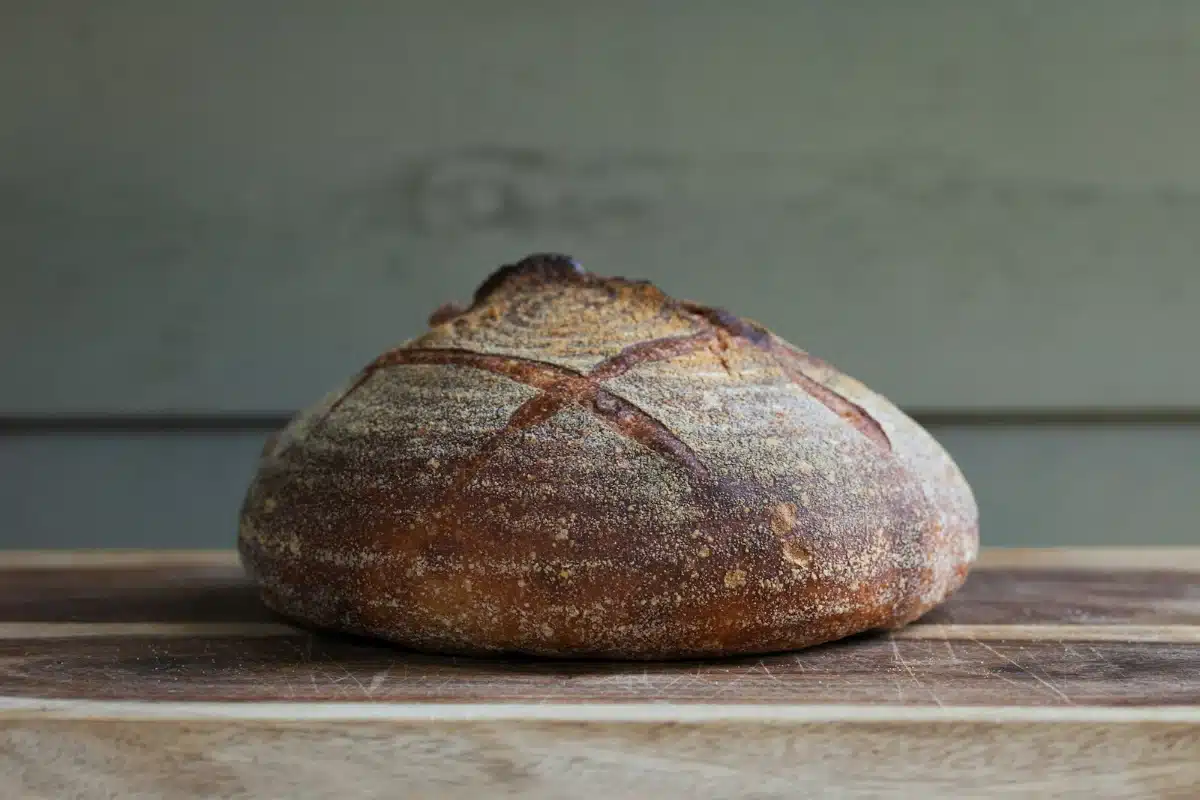

Guides to milling your own flour at home — grains, equipment, technique and baking with fresh-milled flour.
A 100% fresh milled sourdough spreads flat for four reasons: over-fermentation, undeveloped gluten, bran cutting the network, and hydration judged too early. A diagnostic table, the numbers experienced millers use, and a schedule that works.
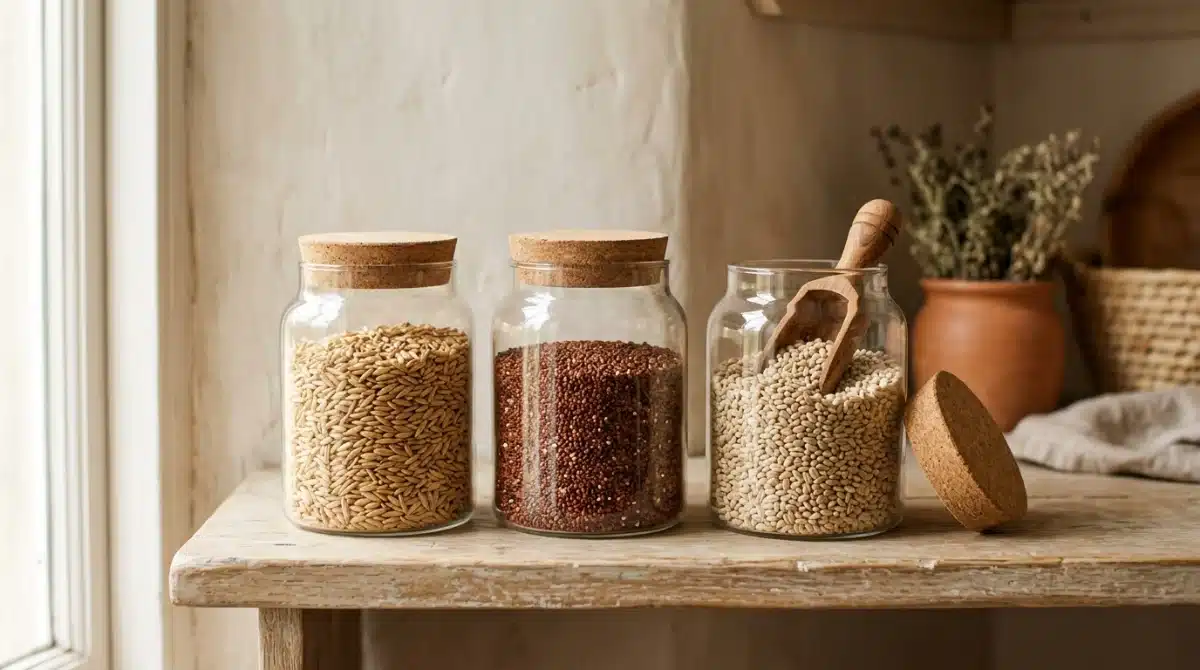
One kilogram of wheat berries makes one kilogram of wholemeal flour — enough for two loaves. Full conversion tables, milling times, bag sizes and storage volumes for South African home millers.
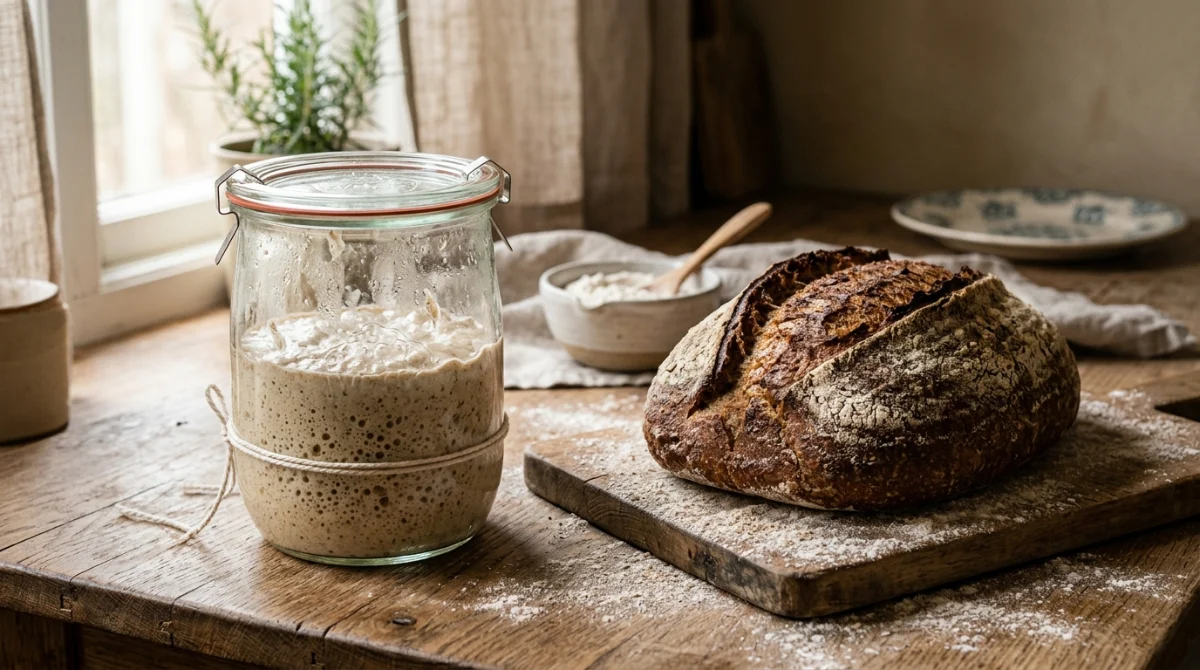
Long sourdough fermentation can cut the phytic acid in whole grain bread by 50 to 90%. How the phytase mechanism works, why fresh-milled flour helps, and what to change in your bake.
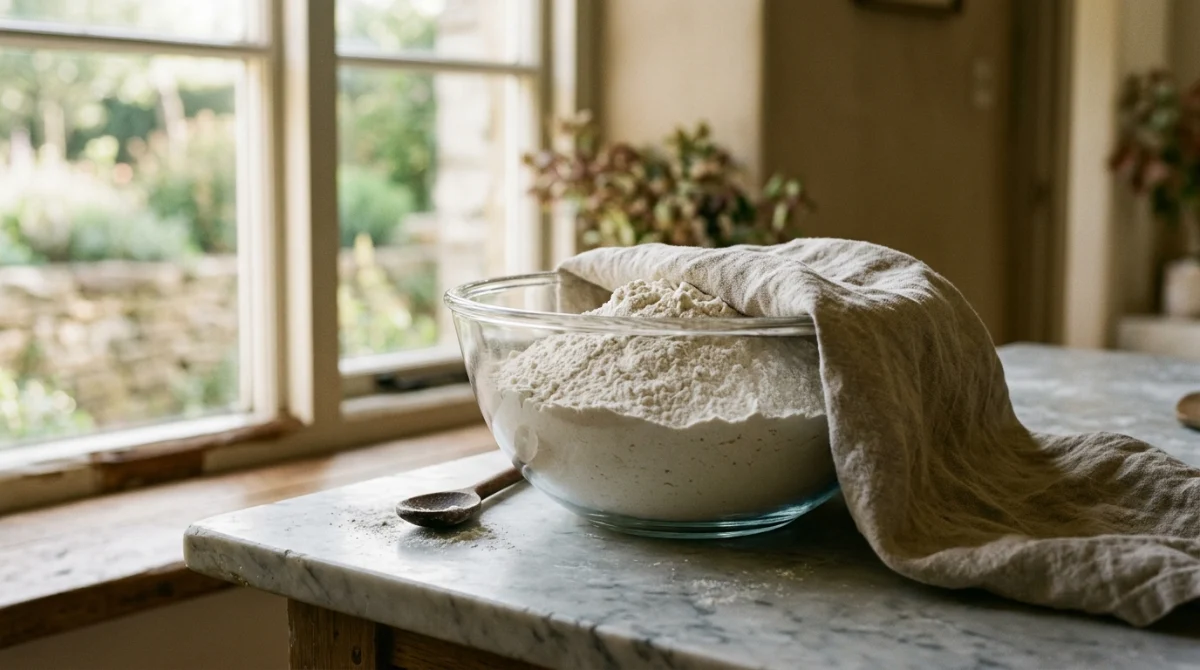
Ageing makes white flour bake better. For whole-grain flour milled at home, it mostly doesn’t. The evidence, the numbers, and what to do instead.
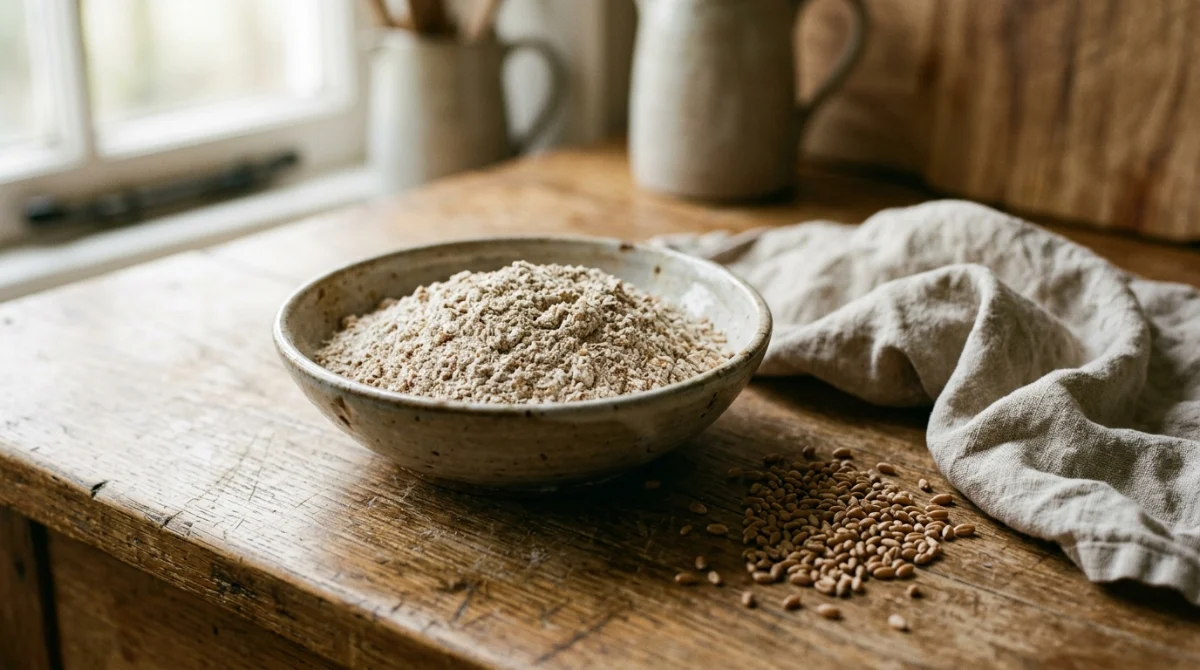
Stone, impact and steel burr grain mills work in three completely different ways. What each does to grain, how fine it goes, how hot and loud it runs, and which suits home baking in South Africa.
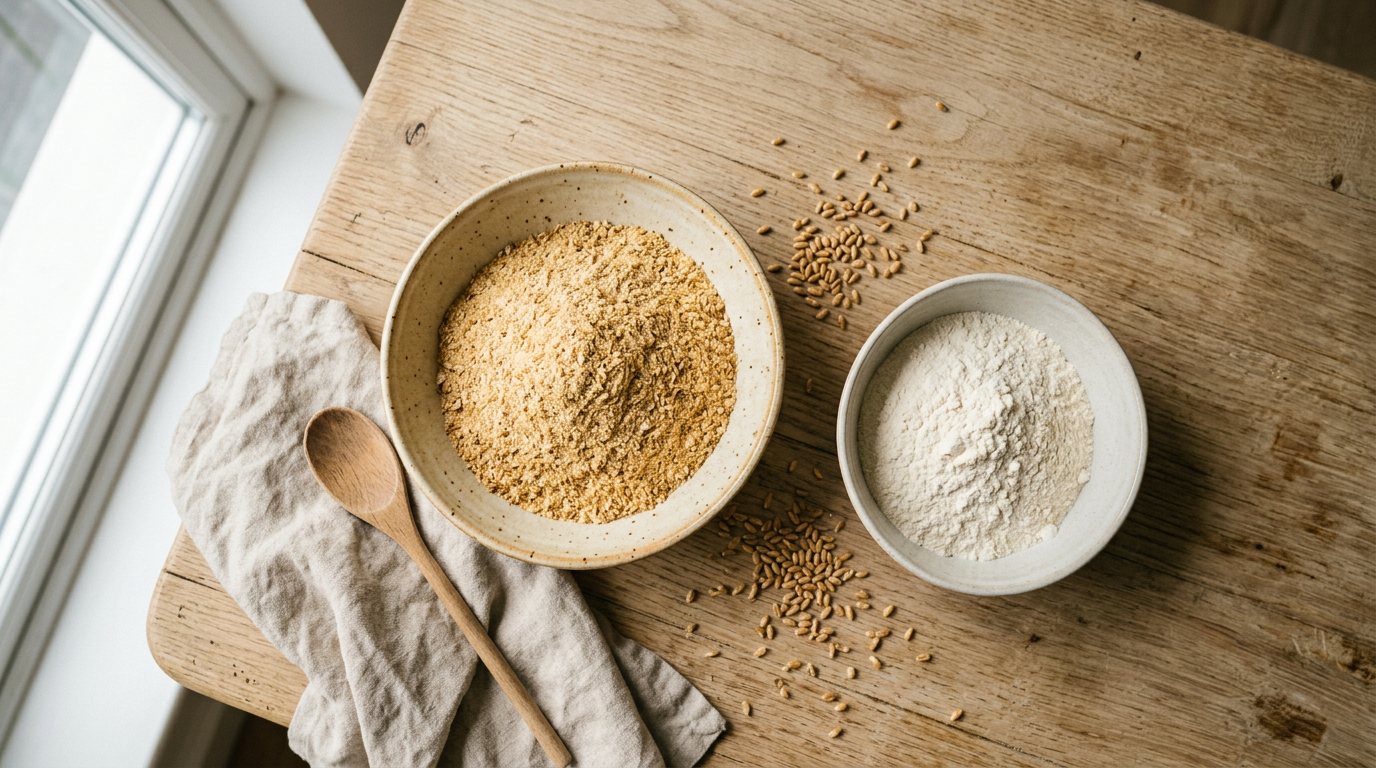
Short answer: yes, but for a more specific reason than most people think. The health win comes almost entirely from milling the whole grain (bran, germ and endosperm together), not from the flour being minutes old. Whole-grain flour carries the fibre, the B vitamins, the vitamin E and the minerals that white flour has had […]
